
Comfort through a Texas summer starts with a system that is working as intended.
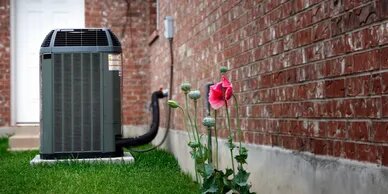
We operate the heating and cooling equipment with normal controls, record each unit’s brand and approximate age, and measure the temperature difference between return and supply air to judge cooling performance. We inspect furnace burners and venting, the condensing unit and its pad, accessible ductwork, filters, drip pans and condensate lines. Our thermal camera lets us read supply and return air temperatures at the registers and grilles, and spot ductwork or insulation problems that are not visible to the eye.
For cooling, a temperature split (the difference between return and supply air) better than 15°F is generally considered acceptable, and Dragonfly typically likes to see 18°F to 22°F. What’s acceptable depends on the age and type of system, so our inspectors use years of field experience to judge each one. Below about 18°F, we may still recommend service by a qualified HVAC contractor.
These are the conditions that come up most often in our reports for this part of the home:
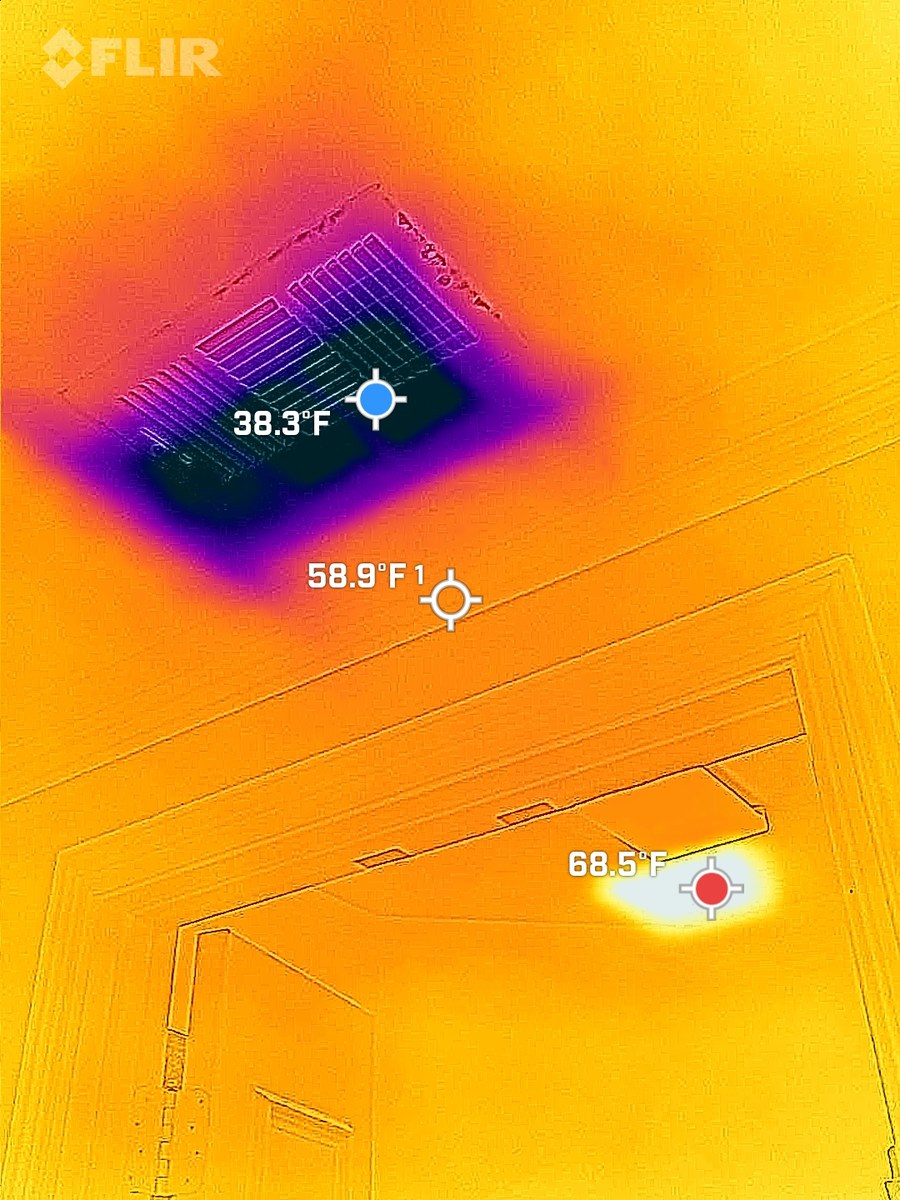
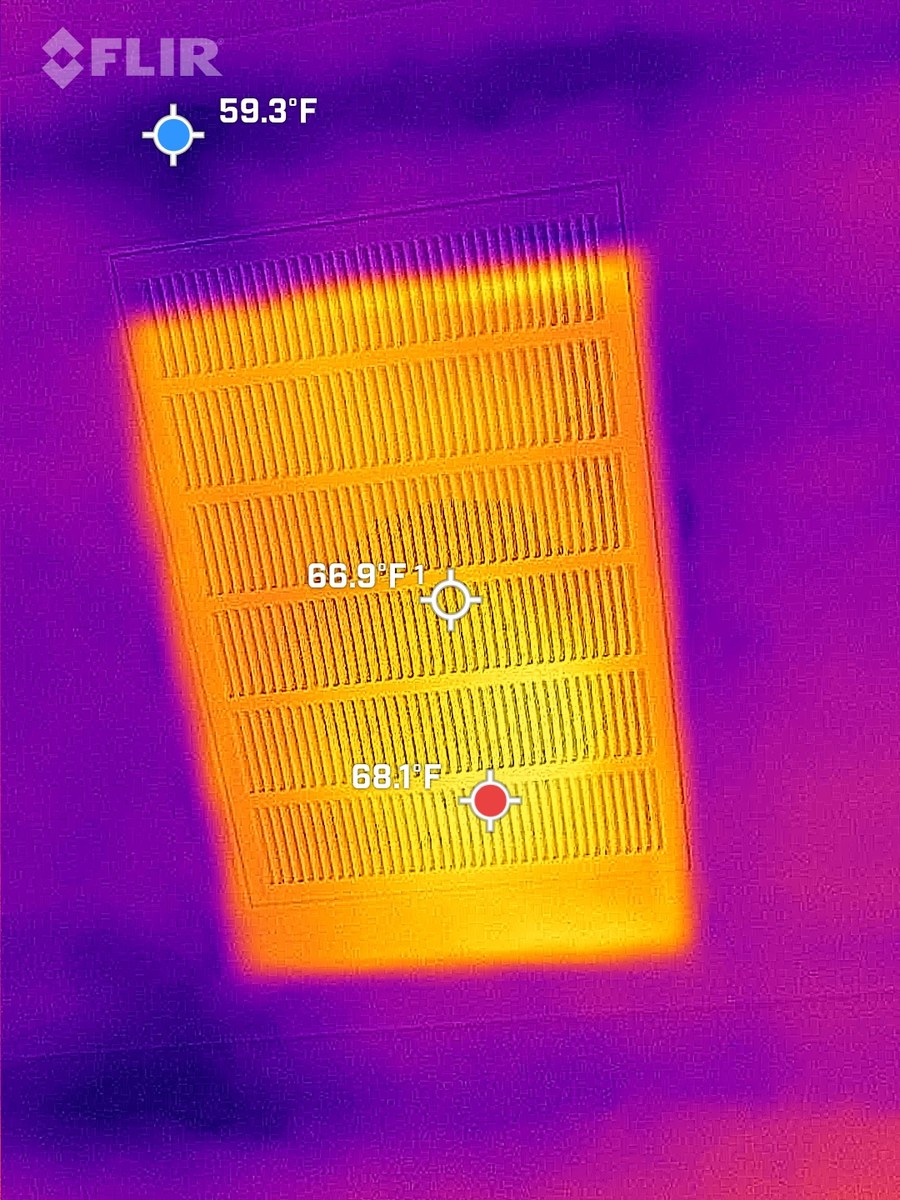
Heating and cooling equipment is costly to replace, and attic installations in North Texas work hard for months at a time. Knowing the age and performance of each unit helps you budget, negotiate and schedule service before the first hot week.
← Back to Residential Home Inspection
Book online in minutes or request a quote. Prefer to talk it through? Call (817) 454-1066 or email info@dragonflyinspections.com.