A meticulous, unhurried look at the home you are about to buy, documented in a clear report you can act on.
What a Dragonfly Inspection Covers
Every residential inspection follows the Texas Real Estate Commission (TREC) Standards of Practice and is delivered on the TREC Property Inspection Report form. We walk the property from the grading at the foundation to the decking in the attic, operating the systems and appliances that are present, visible and accessible, and noting what we could not reach and why.
We are very thorough. We test every accessible outlet, window, door and appliance, run each sprinkler zone, measure air conditioning performance at the registers and heat the oven to temperature to confirm it works. The thermal camera is a core tool on every full home inspection and is included at no extra cost: we use it on ovens, HVAC equipment, insulation and leak detection, with a moisture meter to tell an old ceiling stain from an active leak. We walk most roofs and use a drone for hard-to-reach areas and larger properties.
Most inspections take 2.5 to 4 hours on site. An average 2,000 sq ft home takes one inspector about 2.5 hours, plus about an hour to finish the report and walk you through the findings. On larger properties we add inspectors so the visit stays within about four hours.
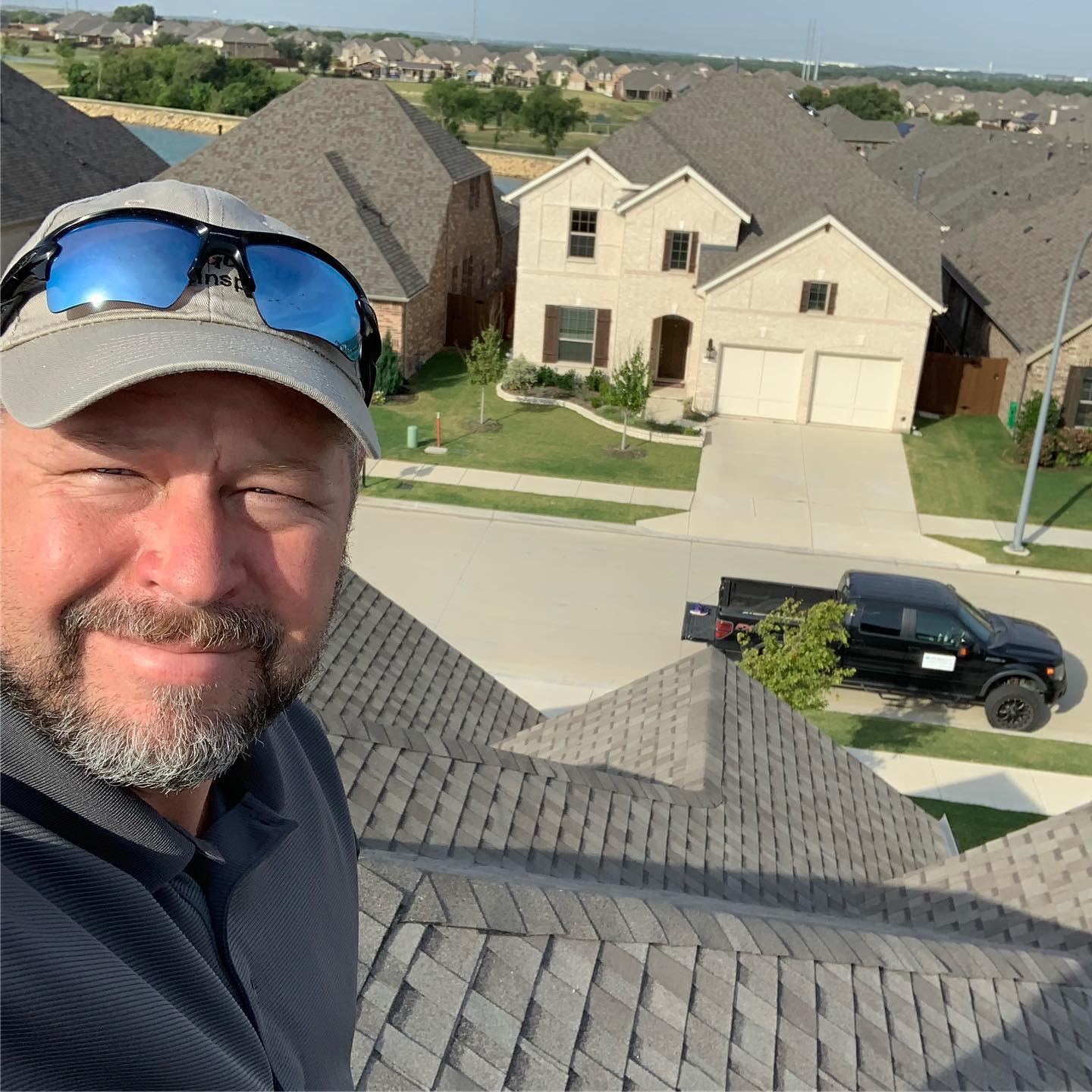
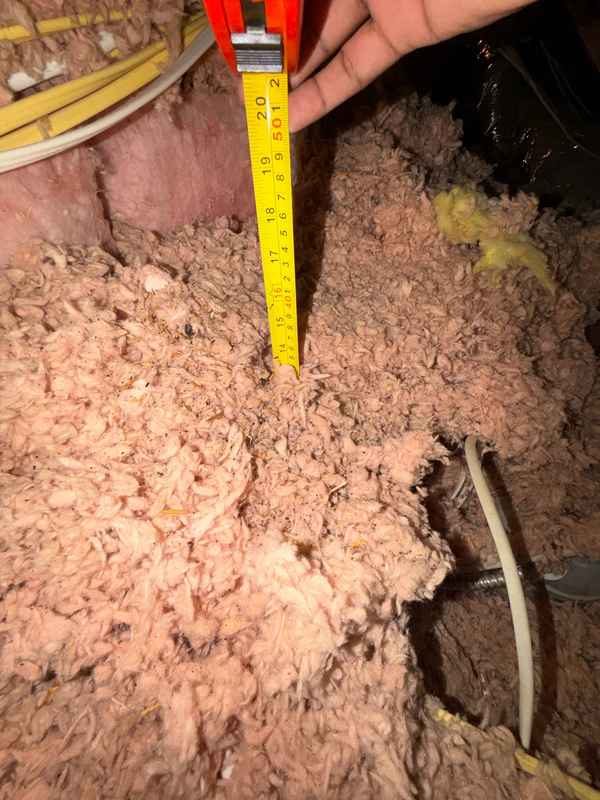
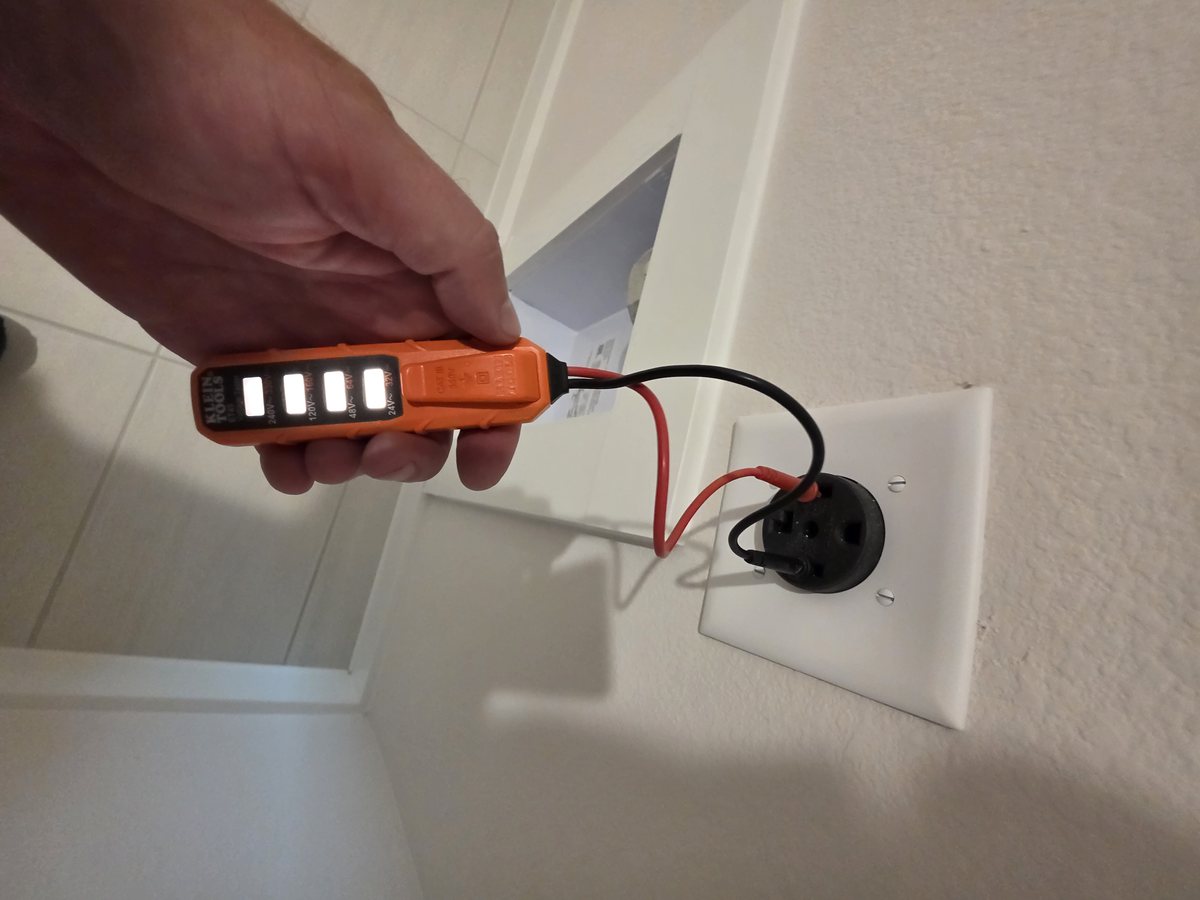
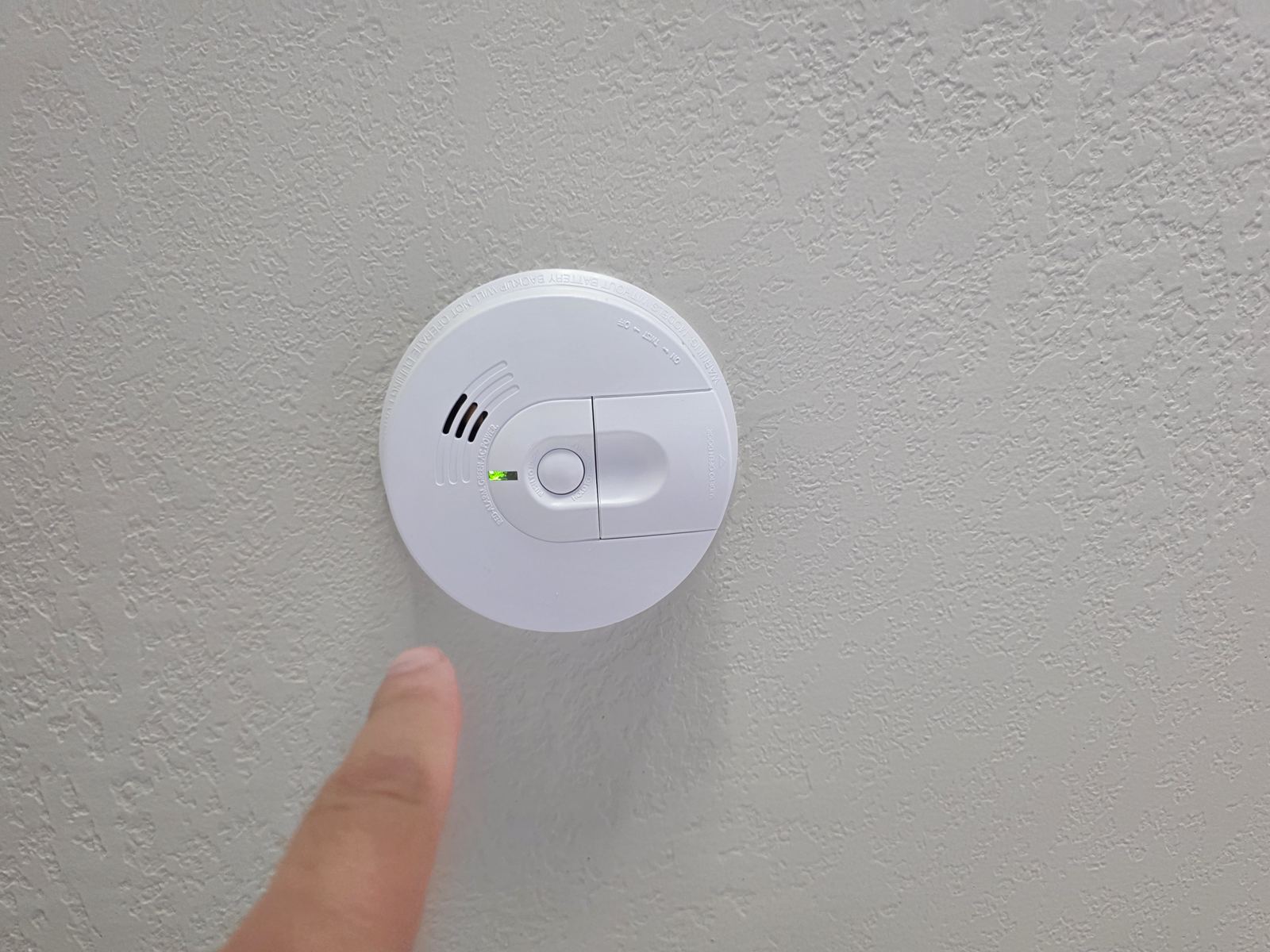
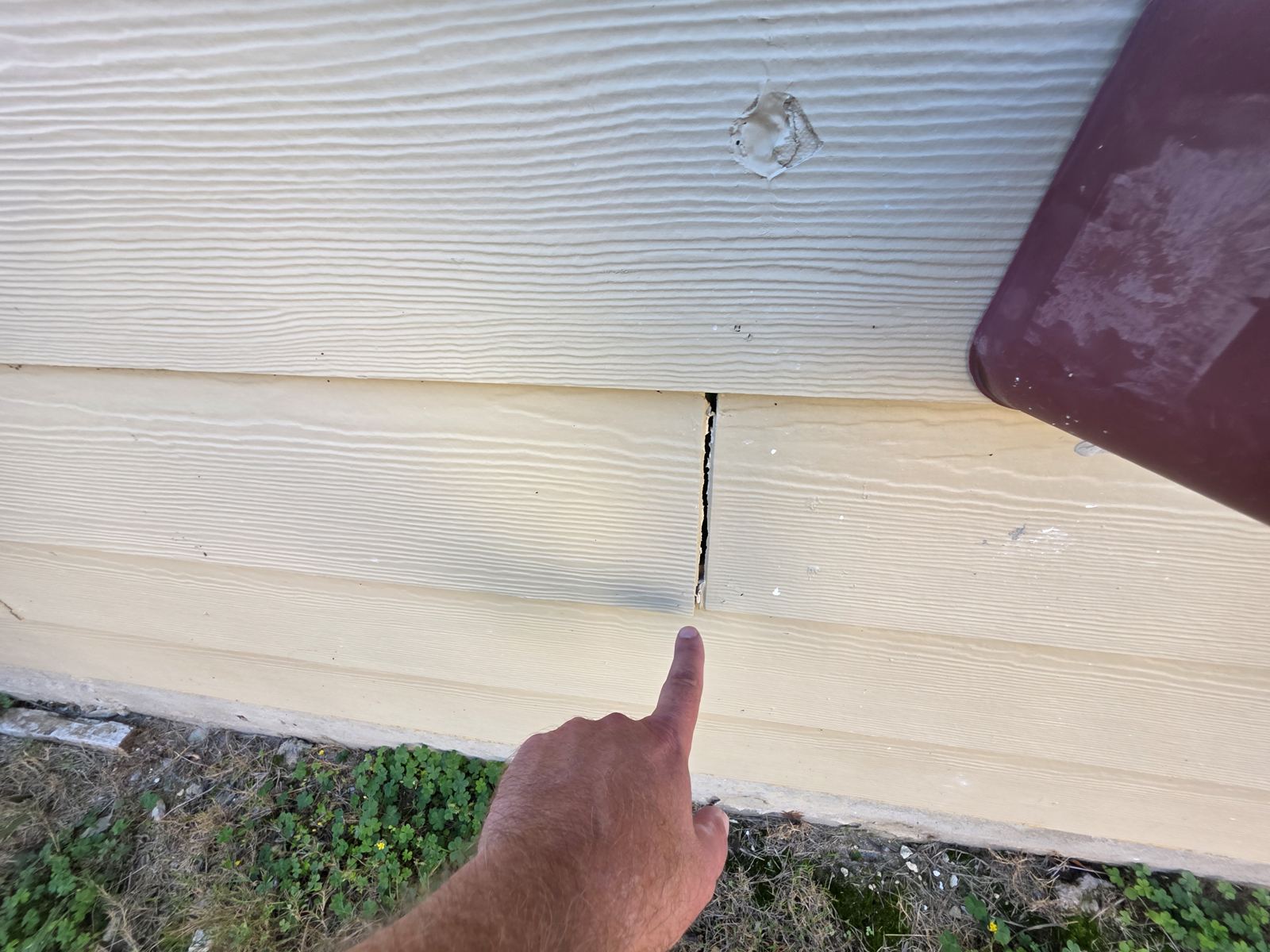
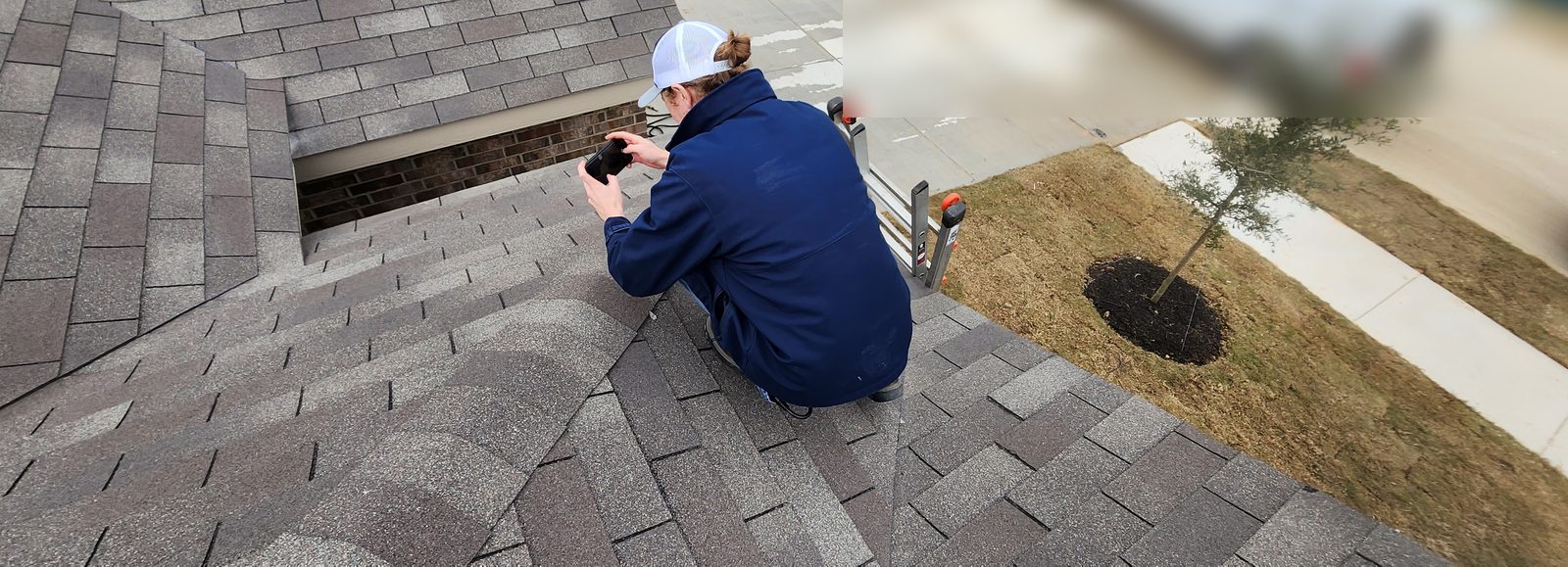
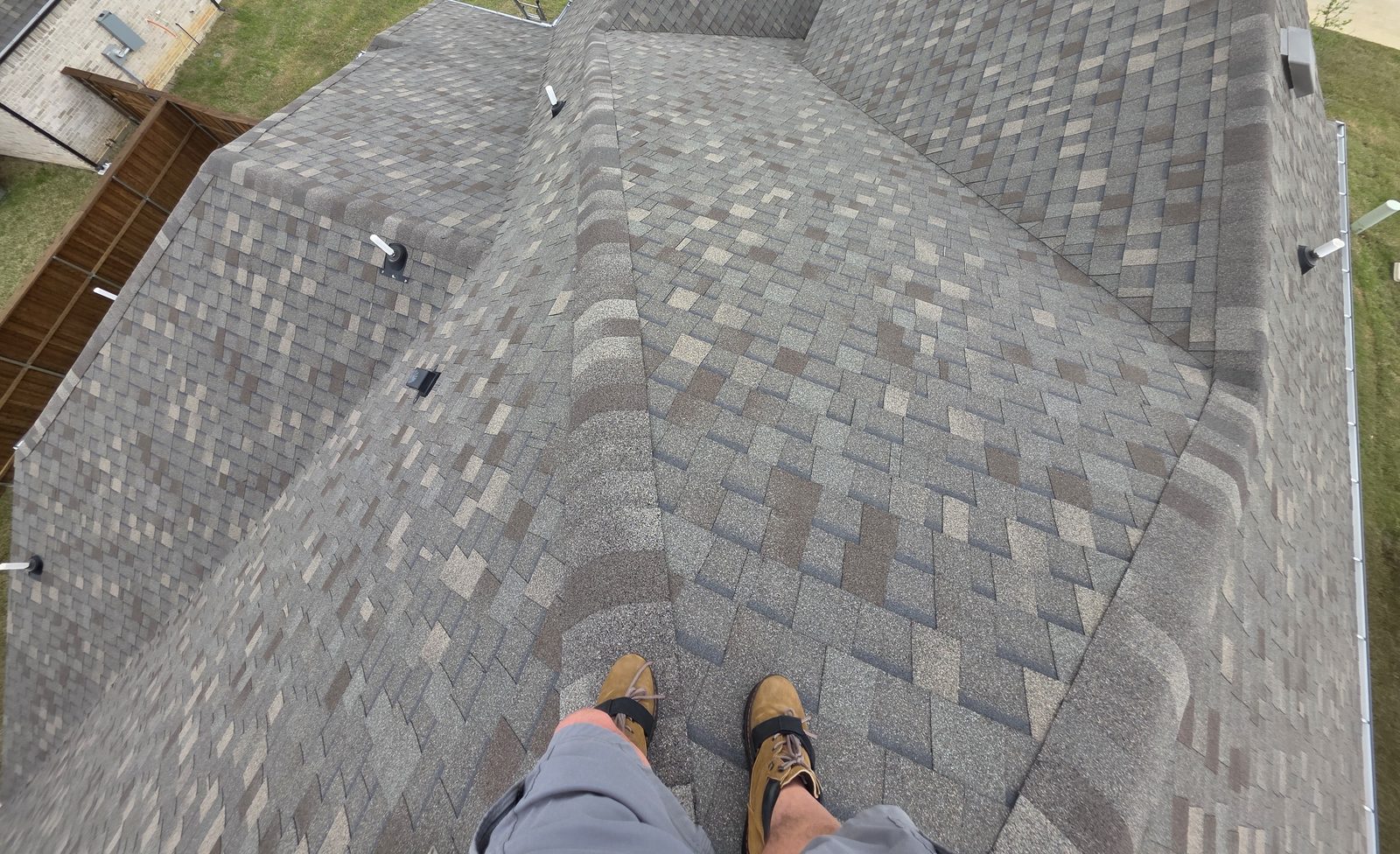
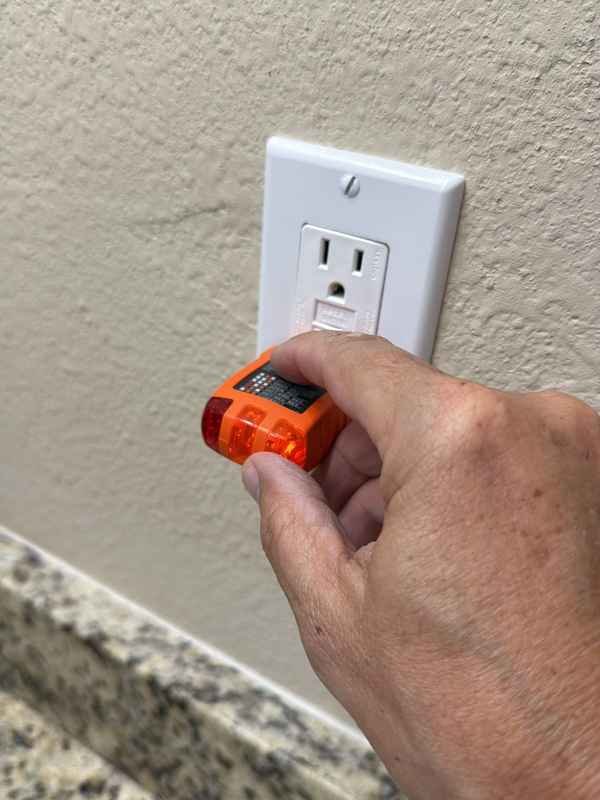
Attic insulation depth measured with a ruler.Checking voltage at a 240-volt dryer or range receptacle.Smoke alarms are tested with the test button.An open siding joint, a common everyday finding that should be sealed.Walking the roof to check shingles, flashing and penetrations up close.On the roof, we look at every slope, valley and vent we can safely reach.
What’s Included in Every Dragonfly Inspection
Drawn from our recent North Texas reports, this is what a standard Dragonfly residential inspection includes. Everything is reported on the TREC Property Inspection Report form, with photos and plain-language notes.
Structure & Exterior
Foundation walked around the full perimeter; signs of prior foundation repair noted
Soil line, grading, ponding and erosion around the foundation
Roof covering, flashing, kick-out flashing and penetrations, walked or viewed by drone
Hail marks and loose or raised shingles
Attic framing, ventilation and approximate insulation depth
Brick and mortar cracks, missing weep holes, siding and trim gaps
Vegetation and mulch against walls and roof
Interior, Doors & Windows
Accessible windows opened, closed and latched; failed seals (fogging) noted
Doors operated, including latches, deadbolts and the garage-to-house self-closing door
Ceiling and wall cracks, nail pops, uneven or loose flooring
Signs of past water intrusion, checked with the thermal camera
Stairways, railings and fireplaces
Electrical
Panel opened when safe: brand, capacity and breaker type recorded
Every accessible outlet tested, including GFCI and AFCI protection
Open grounds, missing junction box covers and inoperable lights
Aluminum service conductors and surge protection noted
Supply registers and return grilles checked with the thermal camera for every unit, heating and cooling
Cooling split measured on every inspection: we look for 18°F or better, and 15°F is the industry-acceptable minimum, judged for the system’s type and age or the manufacturer’s guidelines
Equipment age read from the data plates; refrigerant type noted
Drain pans, secondary drains and condensate line insulation
Filter size, ductwork and gas sediment traps
Thermal images of supply registers, return grilles and equipment
Plumbing & Water Heaters
Static water pressure measured
Hot water temperature measured; water heater age and capacity recorded
Relief valve discharge piping and water line insulation
Fixtures run: faucets, diverters, showerheads, toilets, stoppers and supply lines
Hose bib vacuum breakers, cleanout caps and attic piping insulation
Gas meter bonding and piping corrosion
Appliances
Dishwasher run through a full wash cycle
Disposal tested with running water
Range, cooktop and oven operated, verified with thermal imaging
Microwave, range hood and exhaust fans, including duct termination
Garage door opener: auto-reverse and photo-eye height
Dryer exhaust
Grounds & Outbuildings
Every sprinkler zone run from the controller
Driveways, walkways and patios
Decks, docks and porches
Fences, gates and retaining walls
Detached garages, sheds and other outbuildings
Tools & Your Report
Thermal camera throughout the home
Drone for two-story, wet or hard-to-reach roofs
Moisture meter, outlet tester and water pressure gauge
Typically 150 to 280 photos, plus short videos and room photos
Each finding labeled as a Safety Hazard, Recommendation or Maintenance Item, with the professional to contact
Every accessible outlet is tested, including GFCI protection
A complete TREC report, organized by system, with each item marked Inspected, Not Inspected, Not Present or Deficient.
Photos, and video where it helps, showing exactly where each finding is located.
Plain-language explanations of what we found and why it matters, tagged as a safety hazard, a recommendation or a maintenance item.
Clear next steps, naming the kind of qualified professional to call, such as an electrician, roofer or foundation contractor.
A summary report of key findings that is easy to share with your agent.
Same-day delivery, with most reports ready before we leave the property, and a responsive inspector who is glad to answer questions afterward.
Larger and Custom Homes
Large and custom homes often have several HVAC systems, multiple water heaters, big attics and complex roof lines. We plan the visit around the size of the property, use the drone on roofs that are too steep, high or fragile to walk, and inspect every system on the same TREC report form. See how we staff larger homes.
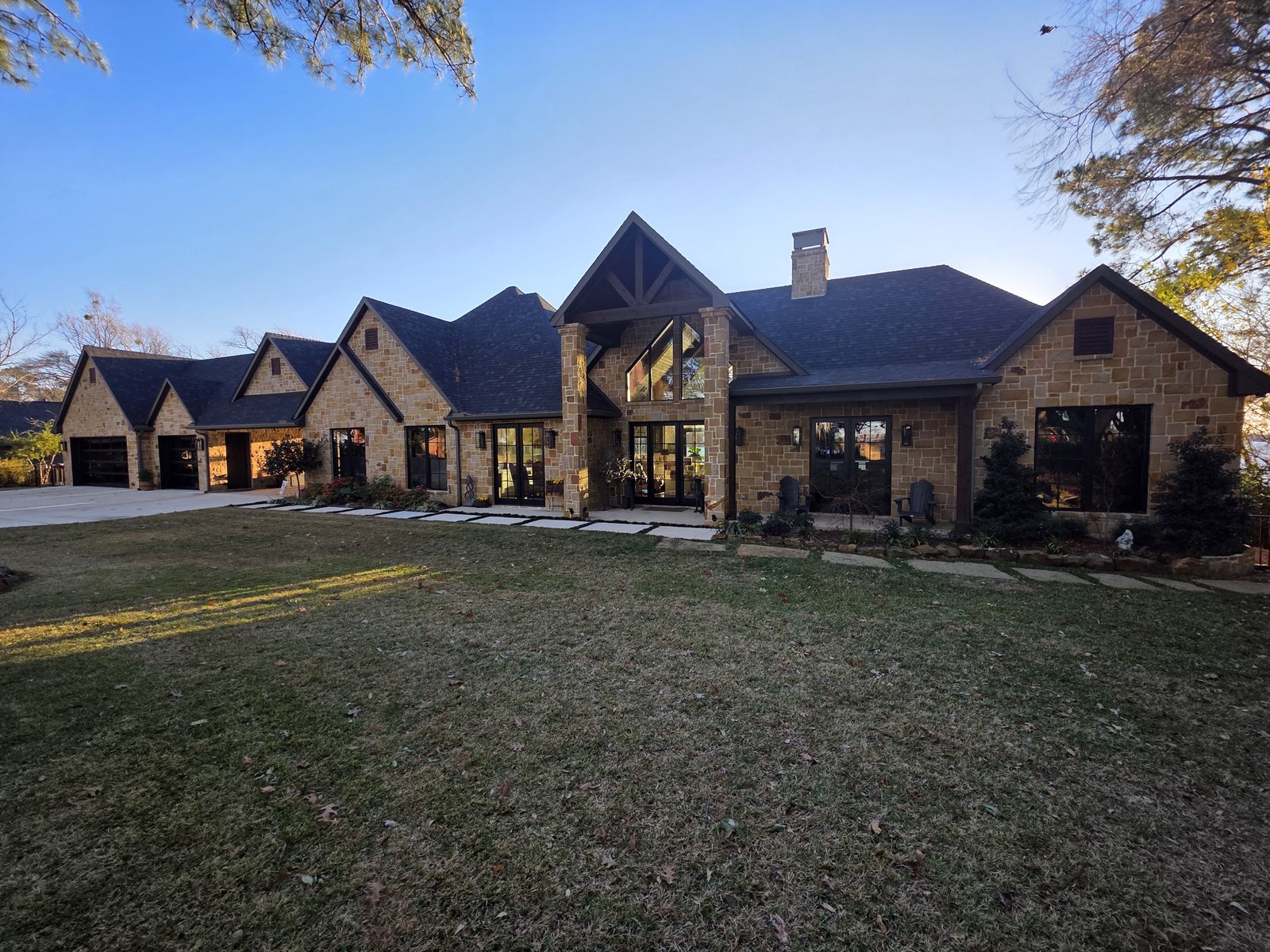
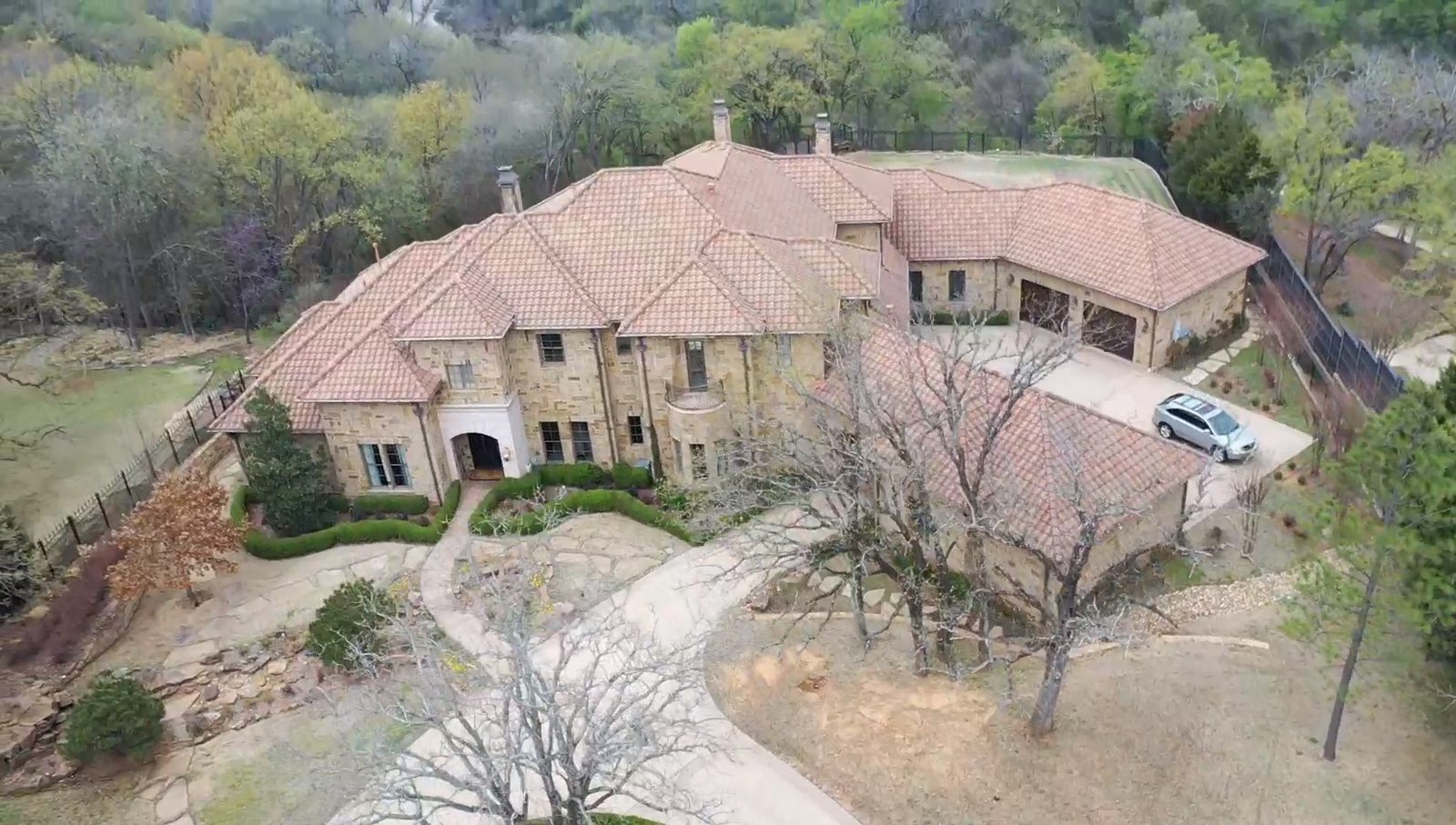
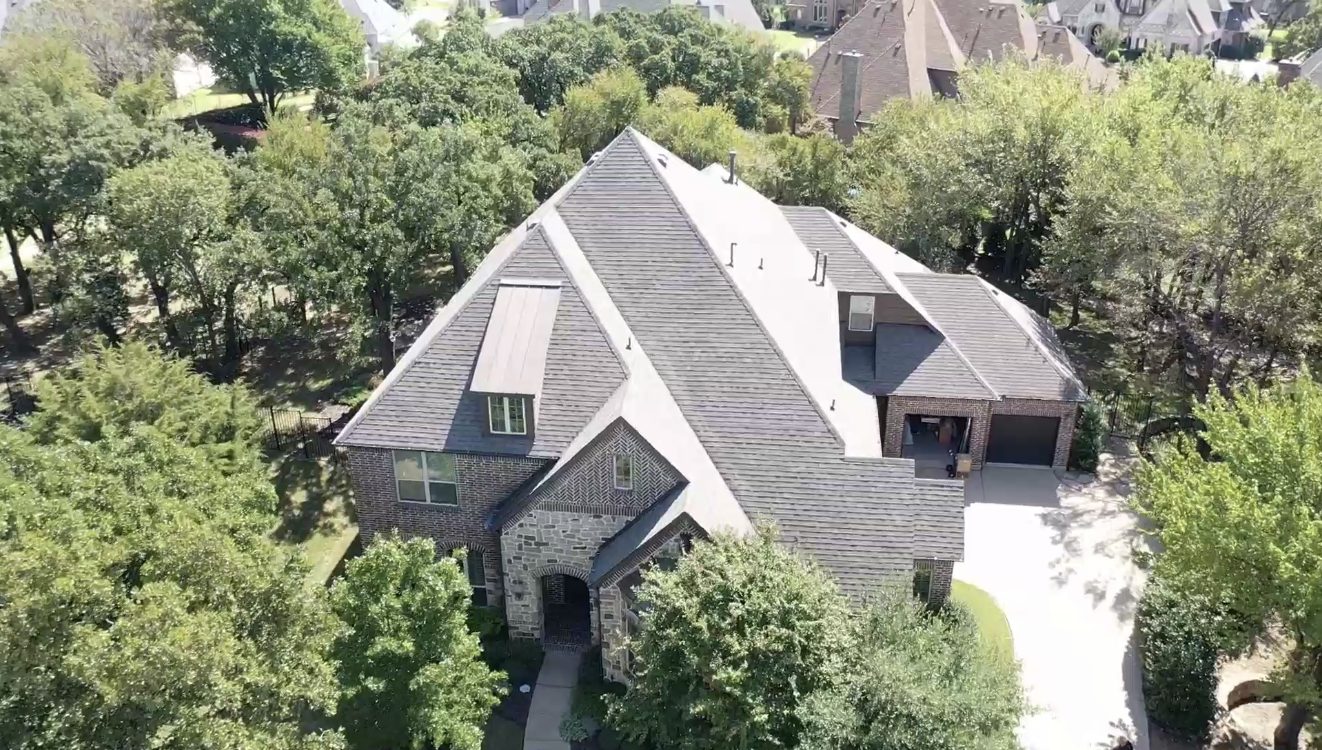
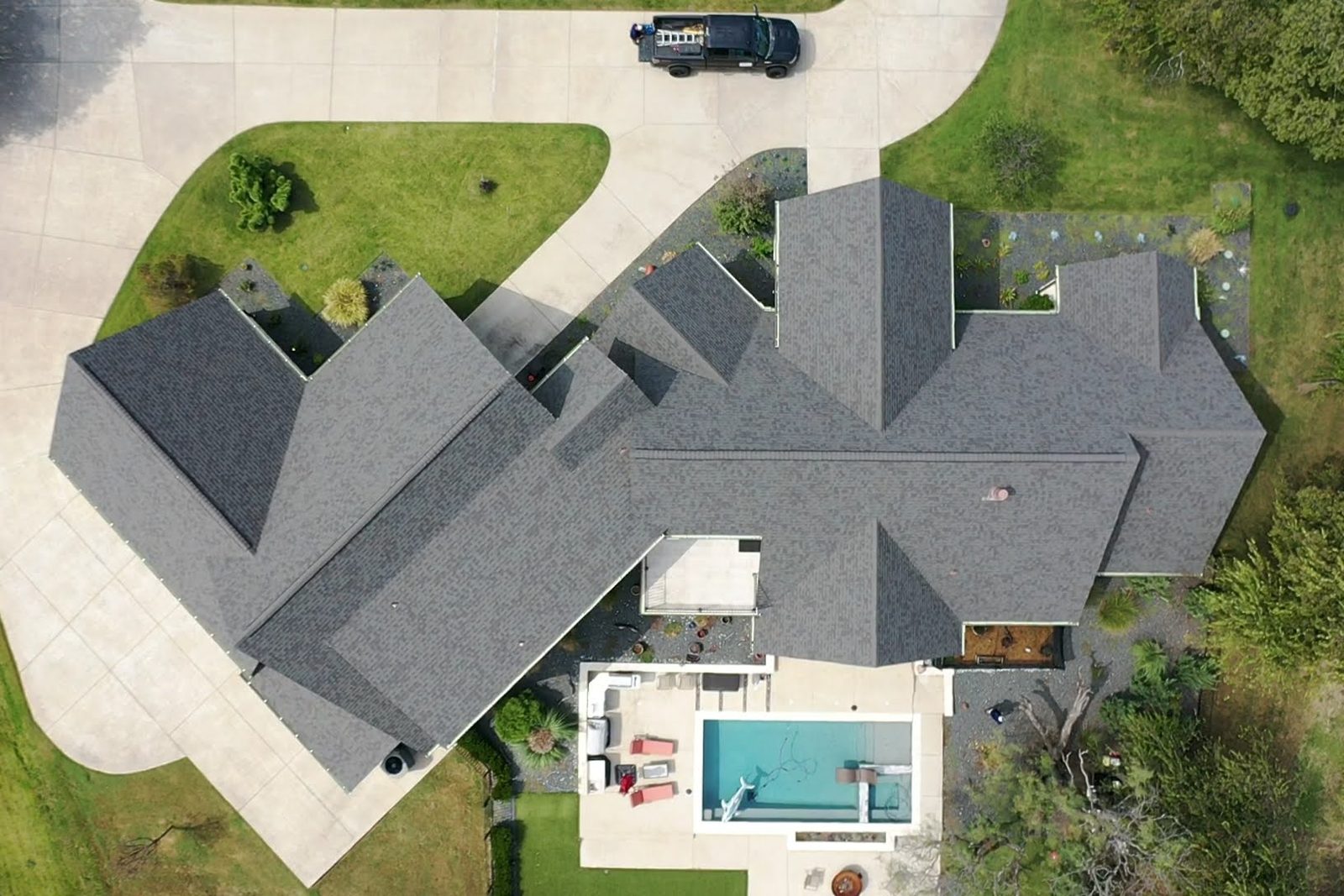
A large stone custom home with several roof sections.Drone views help on large tile roofs that shouldn’t be walked.A drone view of a large, complex roof on a wooded lot.A large roof and backyard pool seen from the drone.
Lawn sprinklers, driveways and patios, decks, docks, fences and outbuildings are included. Pools and spas, wells and septic systems can be added when present and requested. See our decks, docks, fences and outbuildings FAQ.
Adding a pool, septic, sewer scope or termite (WDI) inspection? These can be scheduled alongside your home inspection. See all inspection services.
What We Inspect — and What Your Realtor Handles
Buying a home brings a lot of people to the table, and it helps to know who does what. Your inspector’s job is to tell you about the condition of the house. Your Realtor or buyer’s agent’s job is to help you with the deal itself. We work best side by side, but our roles are different.
What your Dragonfly inspector does
Looks at the visible, accessible condition of the home: structure and foundation, roof (walked or by drone), exterior, attic, and interiors including windows, doors, outlets, and appliances.
Checks electrical, plumbing, and HVAC, including the A/C temperature split, plus insulation, ventilation, and safety items like smoke and carbon monoxide alarms, stairs, and railings.
Covers the property roof to fence: driveway, patio, deck, fence, and outbuildings. Thermal imaging and an irrigation (sprinkler) check come with every full inspection.
Delivers a written TREC report with clear findings and recommendations, and gives you an independent assessment. We don’t set the purchase price or write the offer.
What your Realtor or buyer’s agent handles
Market analysis (CMA) and advice on offer price and terms.
Writing and presenting offers, and negotiating price, repairs, credits, concessions, and contract deadlines.
Guiding the transaction to closing and coordinating with your lender, title company, and others.
Using our report as one input for negotiation decisions. Your agent helps with deal strategy; we explain the home’s condition.
A Dragonfly residential inspection is a visual inspection under the Texas Real Estate Commission (TREC) Standards of Practice. Some specialty evaluations sit outside that scope. We do not offer them as add-ons. When they matter for your purchase, we refer you to the right licensed specialist.
Mold
We do not perform mold inspections or mold testing, and mold inspection is not available as an add-on. During the standard inspection we will call out and document visible suspected organic growth and moisture-related conditions that could support mold—such as active leaks, elevated moisture readings, or staining. We always recommend a qualified environmental specialist for mold testing or assessment when those conditions show up. In Texas, that is a TDLR-licensed mold assessor. See our mold FAQ and the EPA guide to mold and moisture.
Other services we do not offer
Energy efficiency assessments — we do not perform energy audits, HERS ratings, blower-door tests, or whole-home energy modeling. We note insulation depth and obvious ventilation concerns when they are visible, but a certified energy auditor handles a formal energy assessment. See our energy assessment FAQ.
Radon testing — not included and not offered as an add-on; we refer you to an NRPP-certified radon tester when you want one.
Asbestos, lead, and indoor air quality testing — lab sampling and environmental laboratory work are outside a TREC home inspection; we refer you to qualified specialists. See our environmental testing FAQ.
Mold remediation, pest-control treatments, and repair work — we inspect and report; we do not remediate, treat, or repair.
Pool & spa, septic, sewer scope, termite (WDI), and Zip Level foundation surveys are available as separate add-ons when you request them. The items above are not.