
The foundation, the roof and everything in between: the bones of the home.
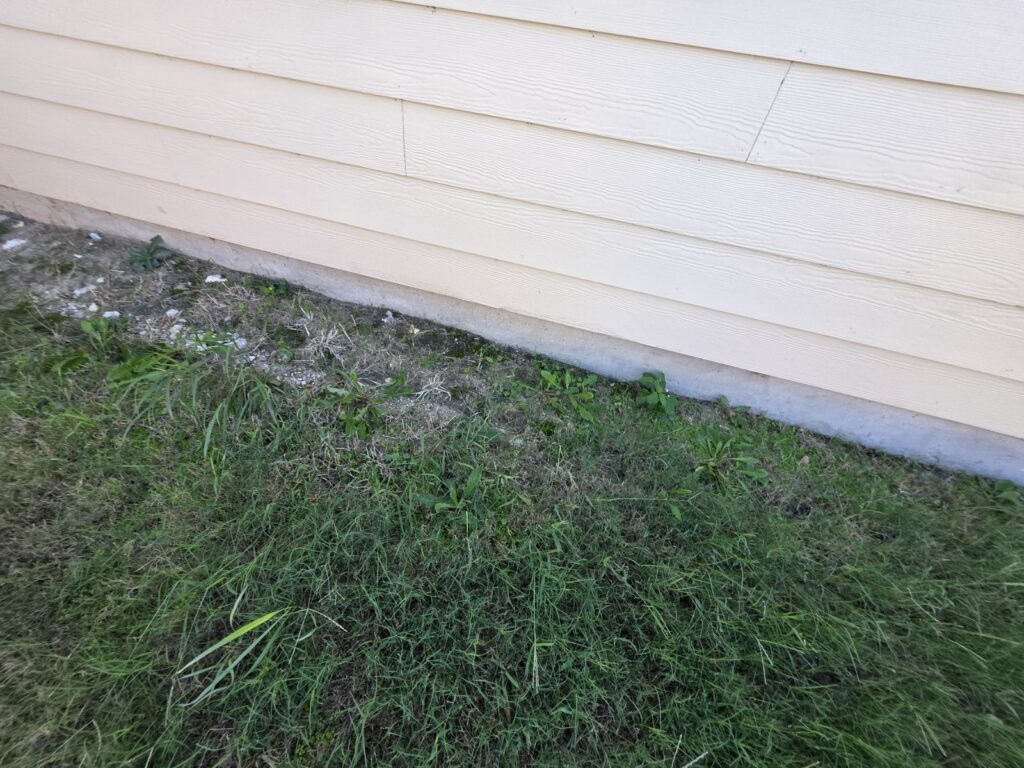
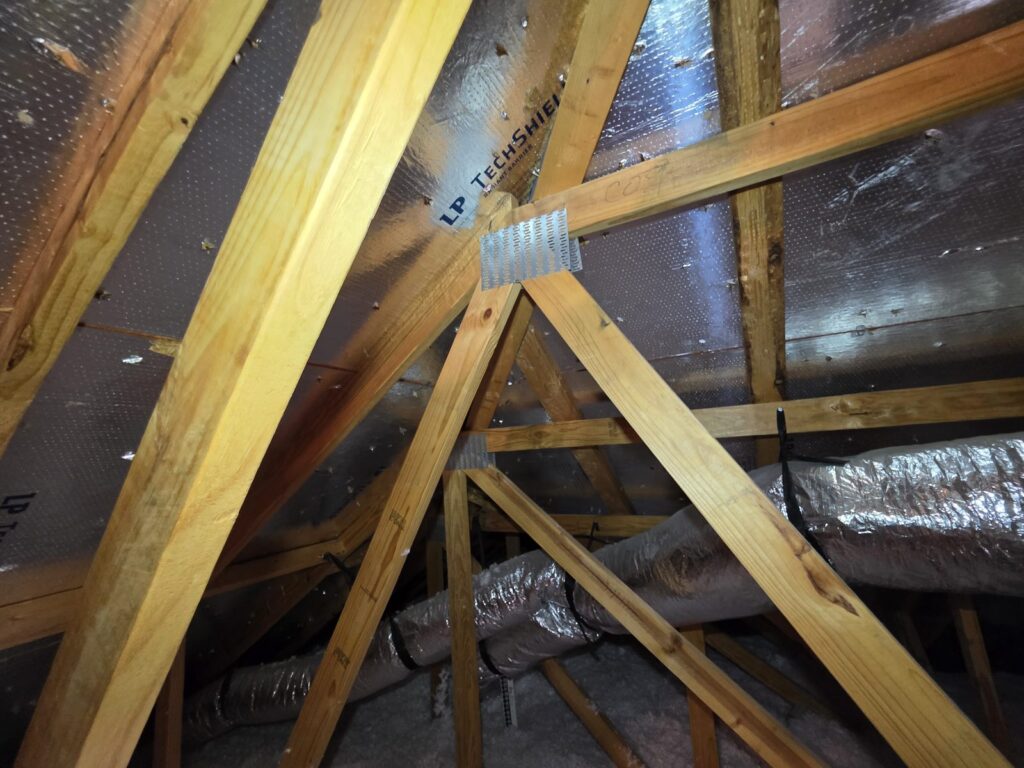
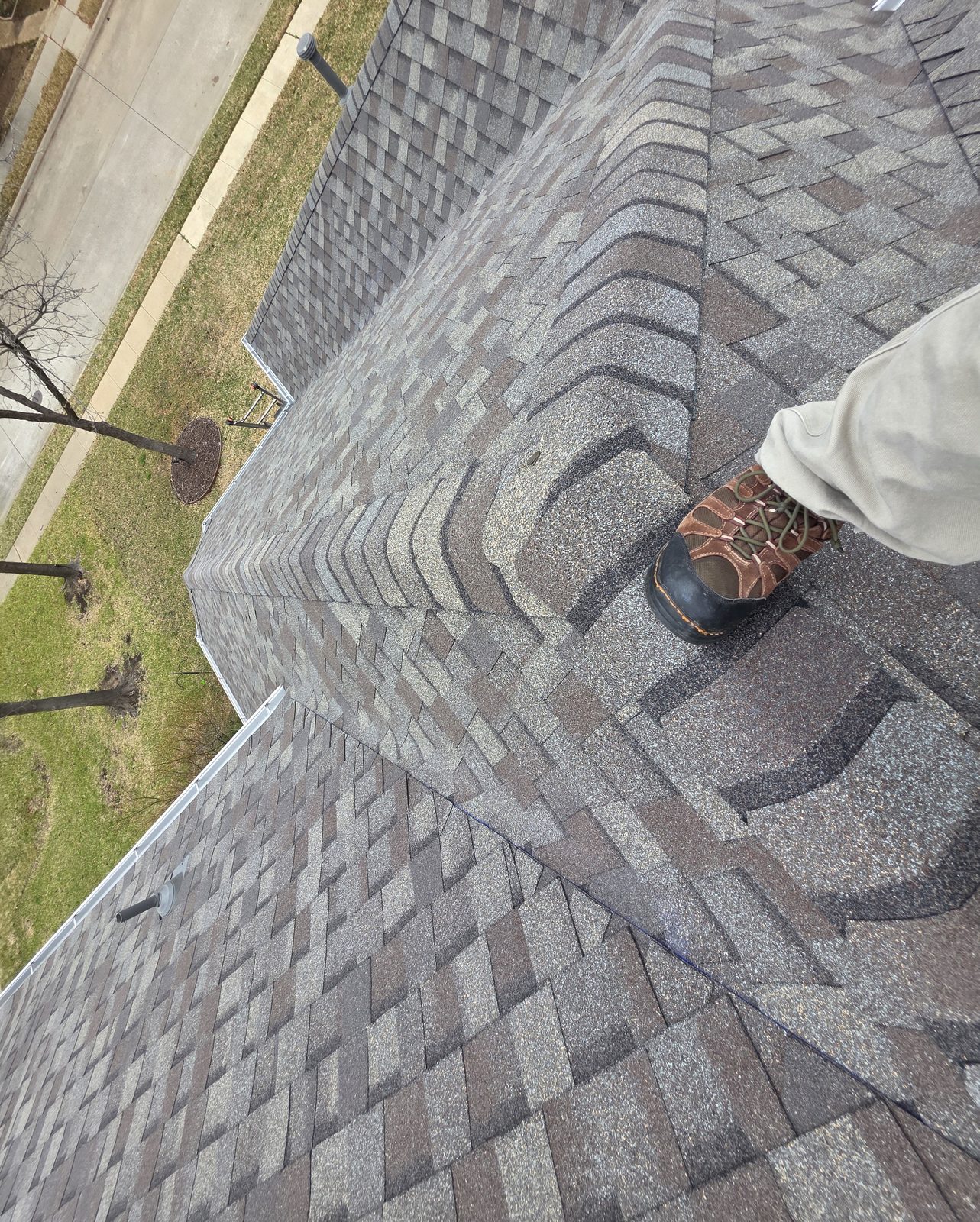
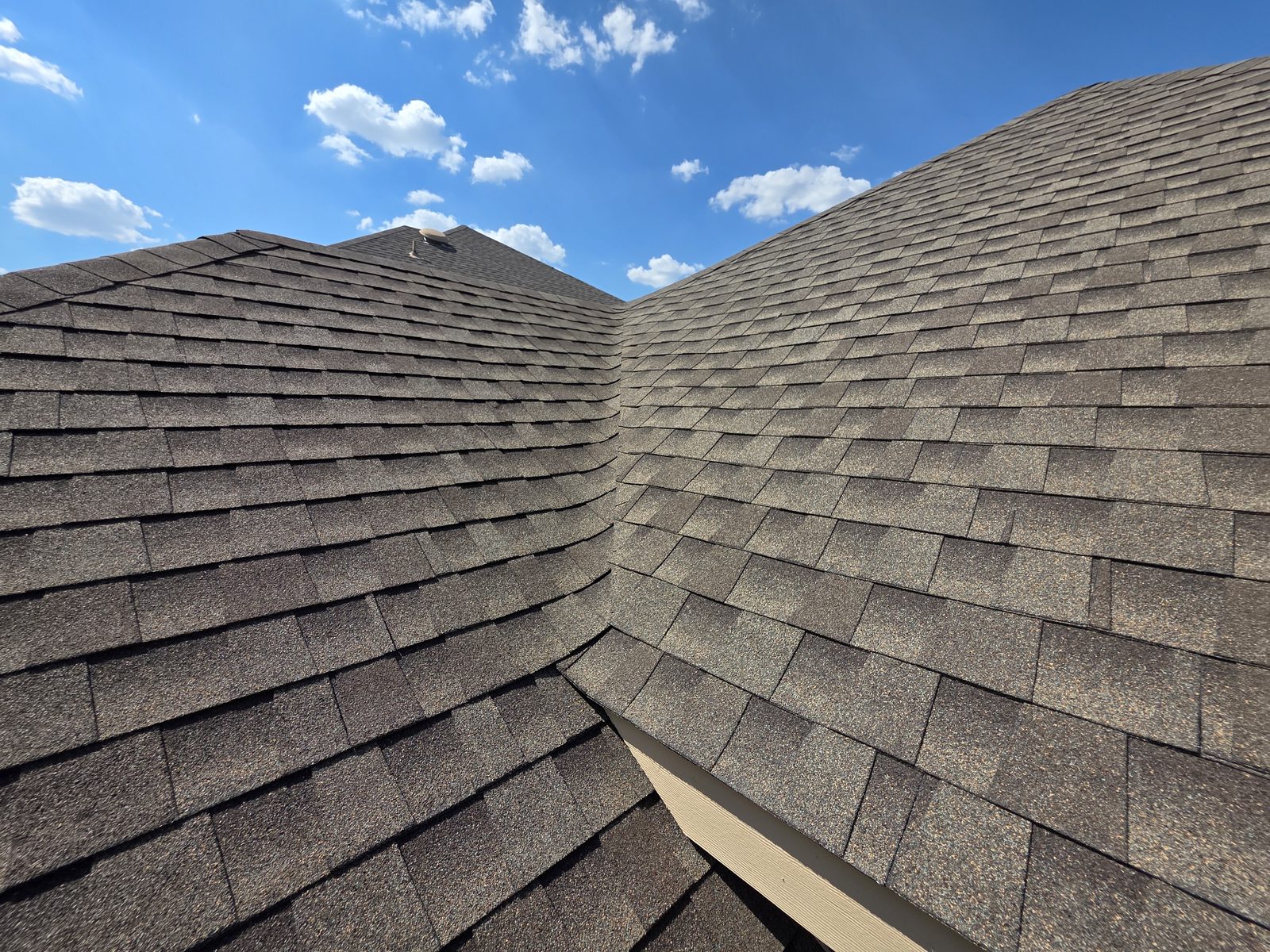
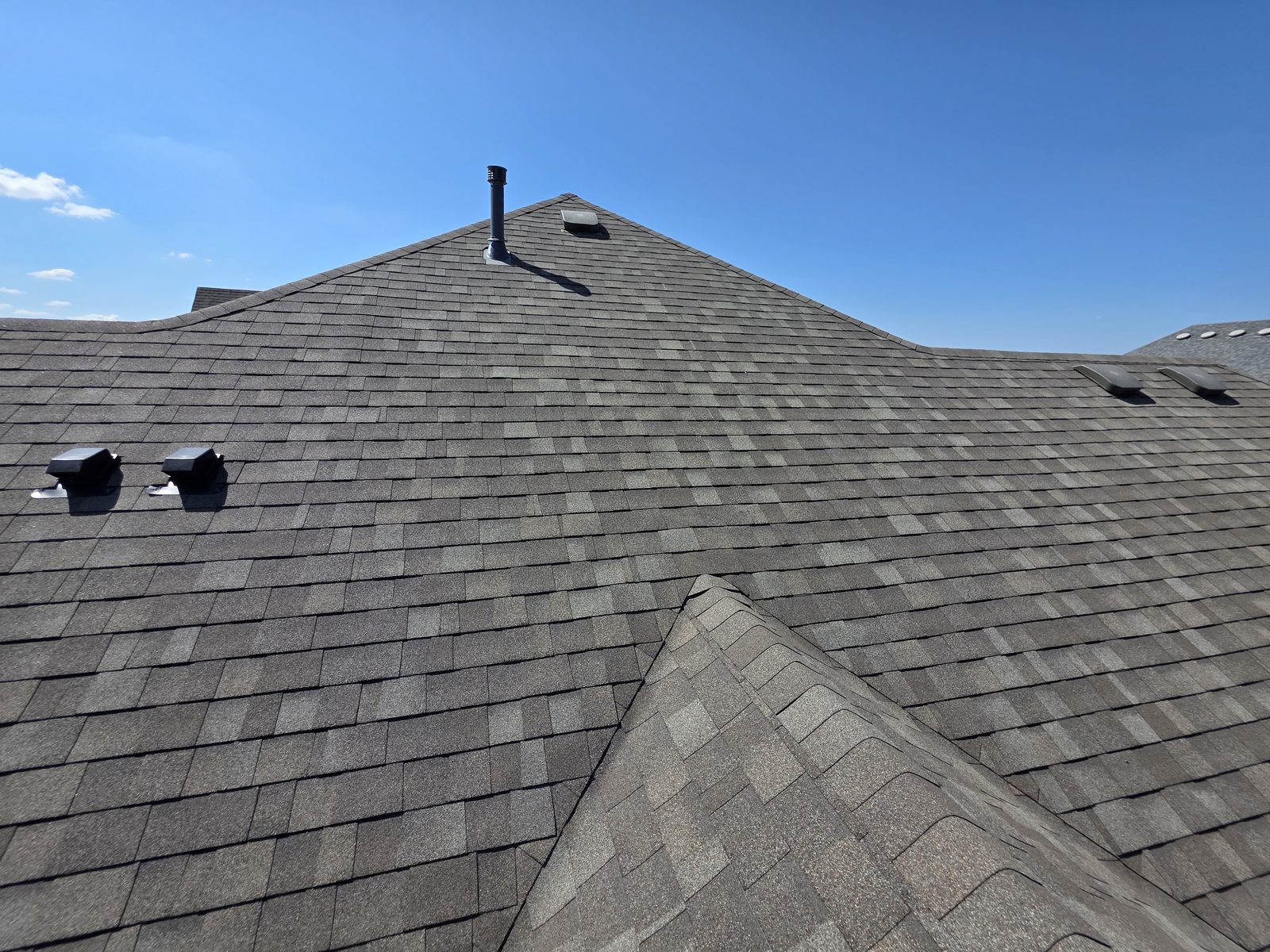
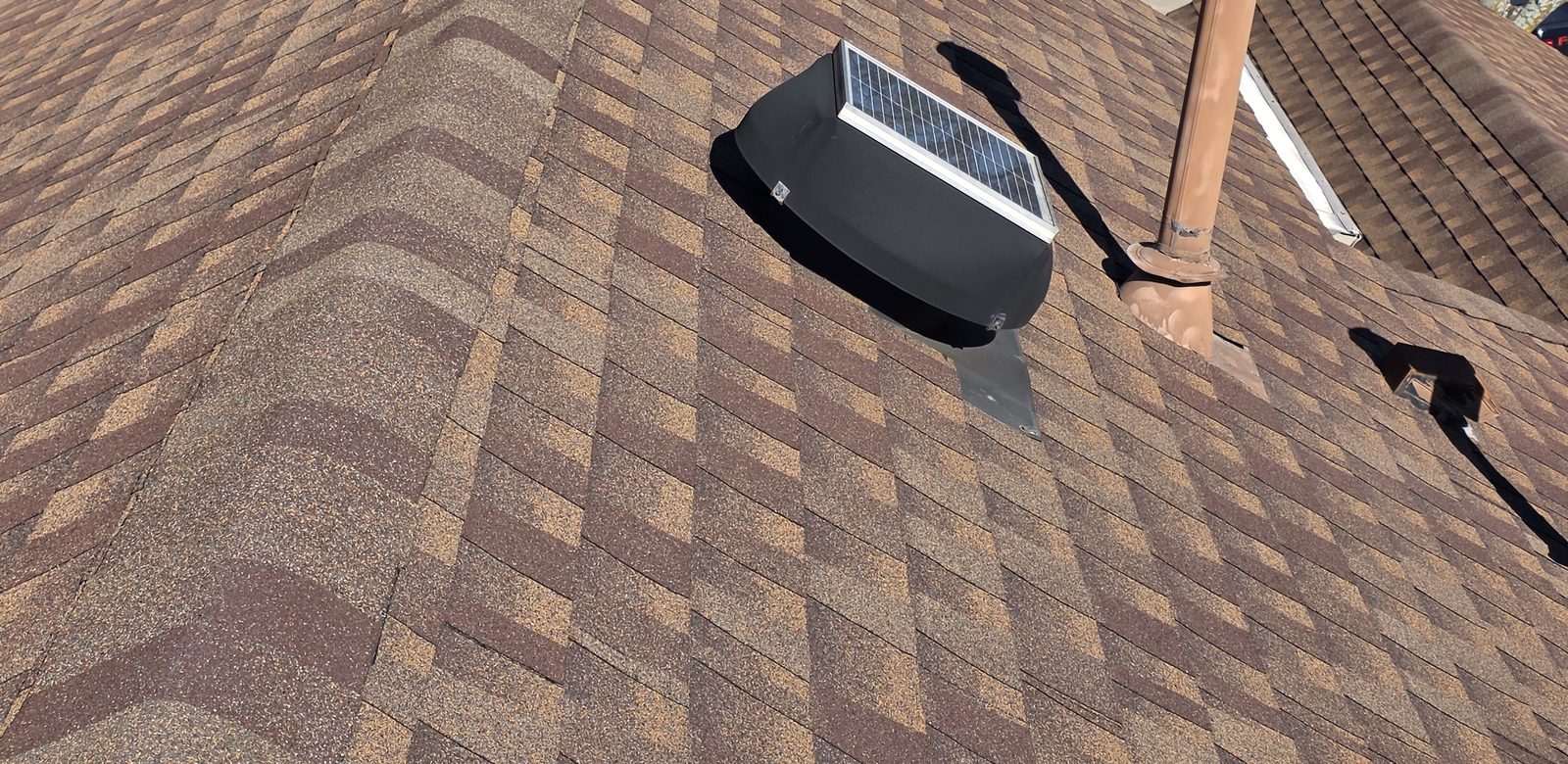
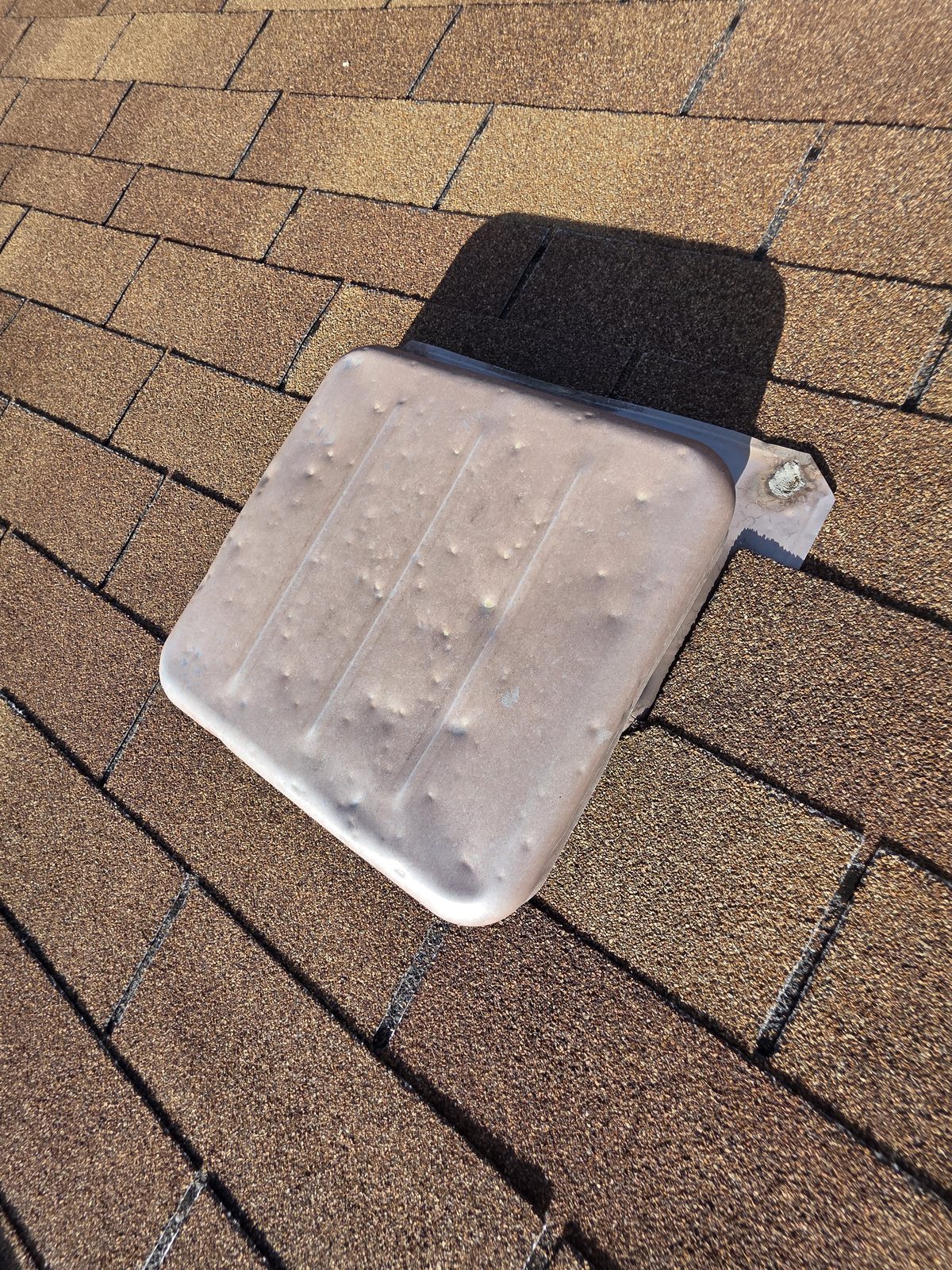
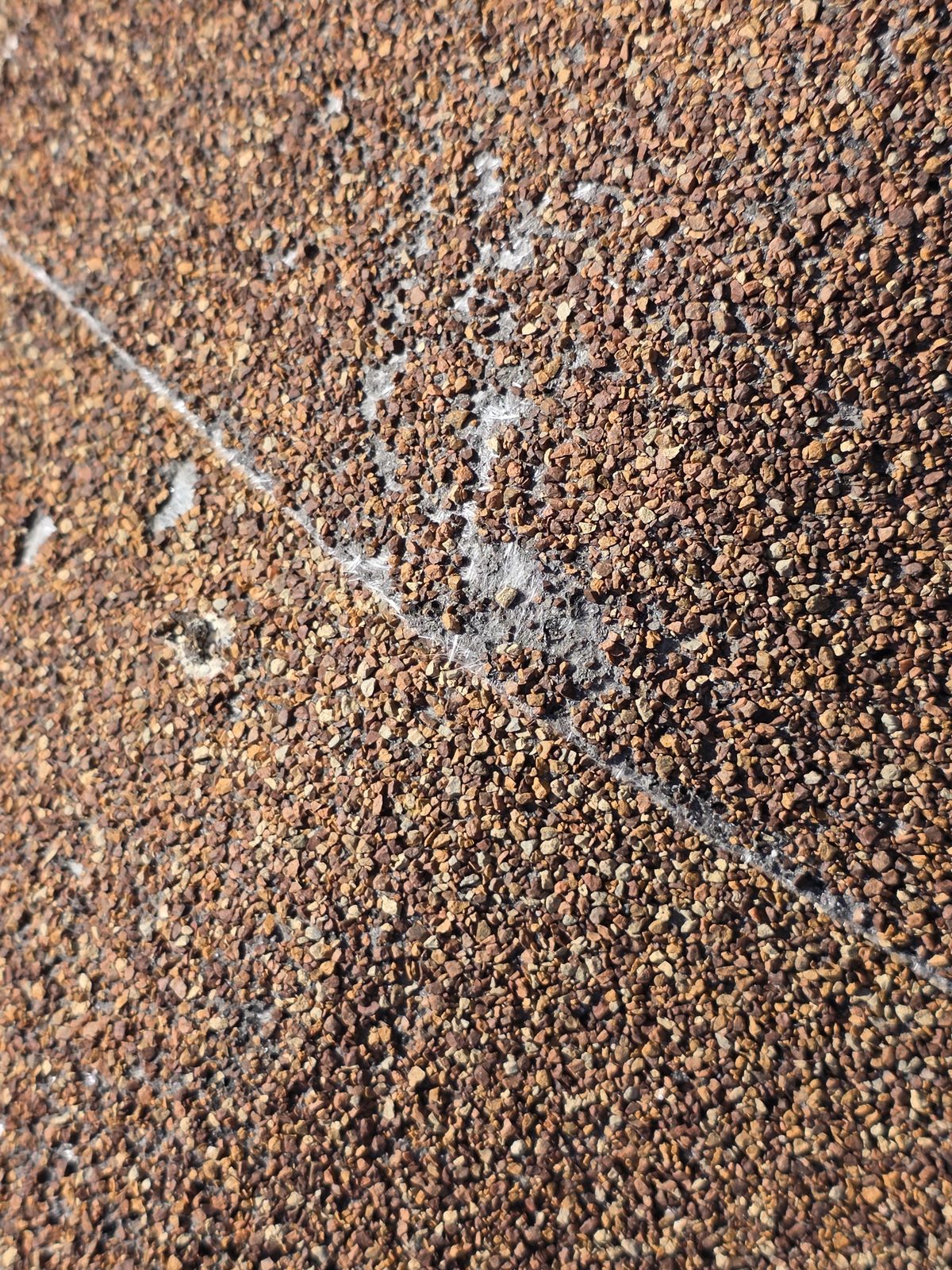
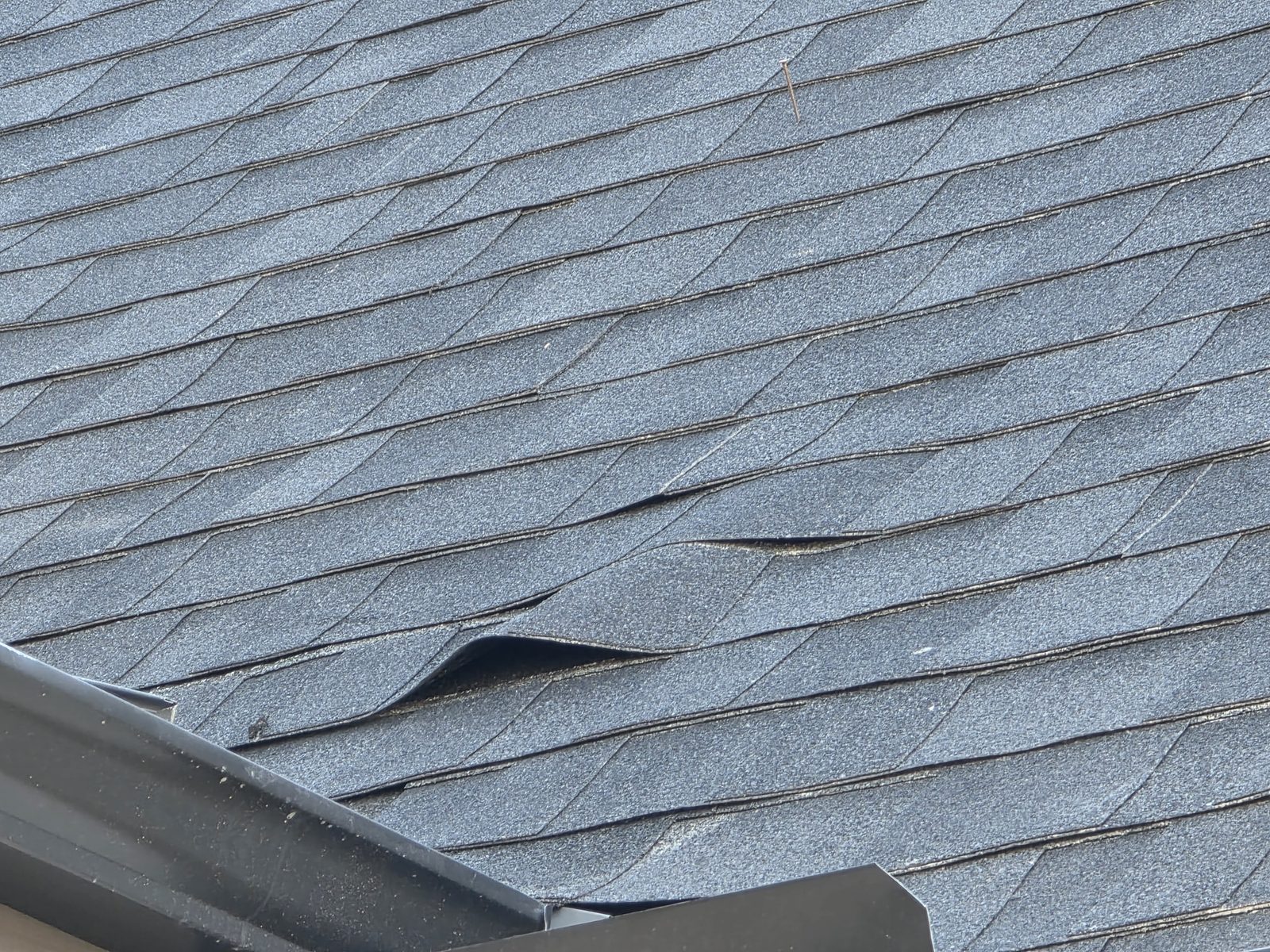
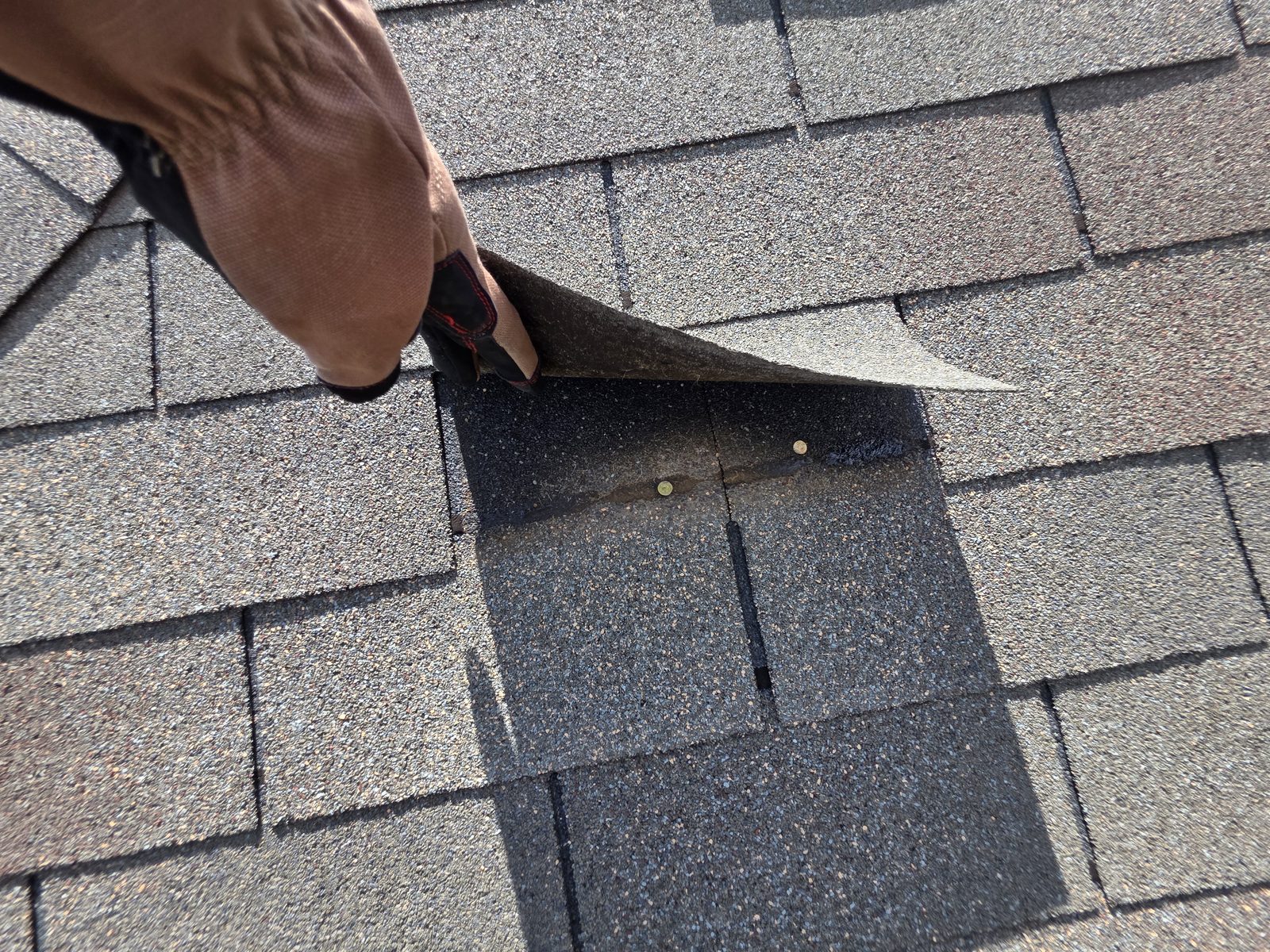
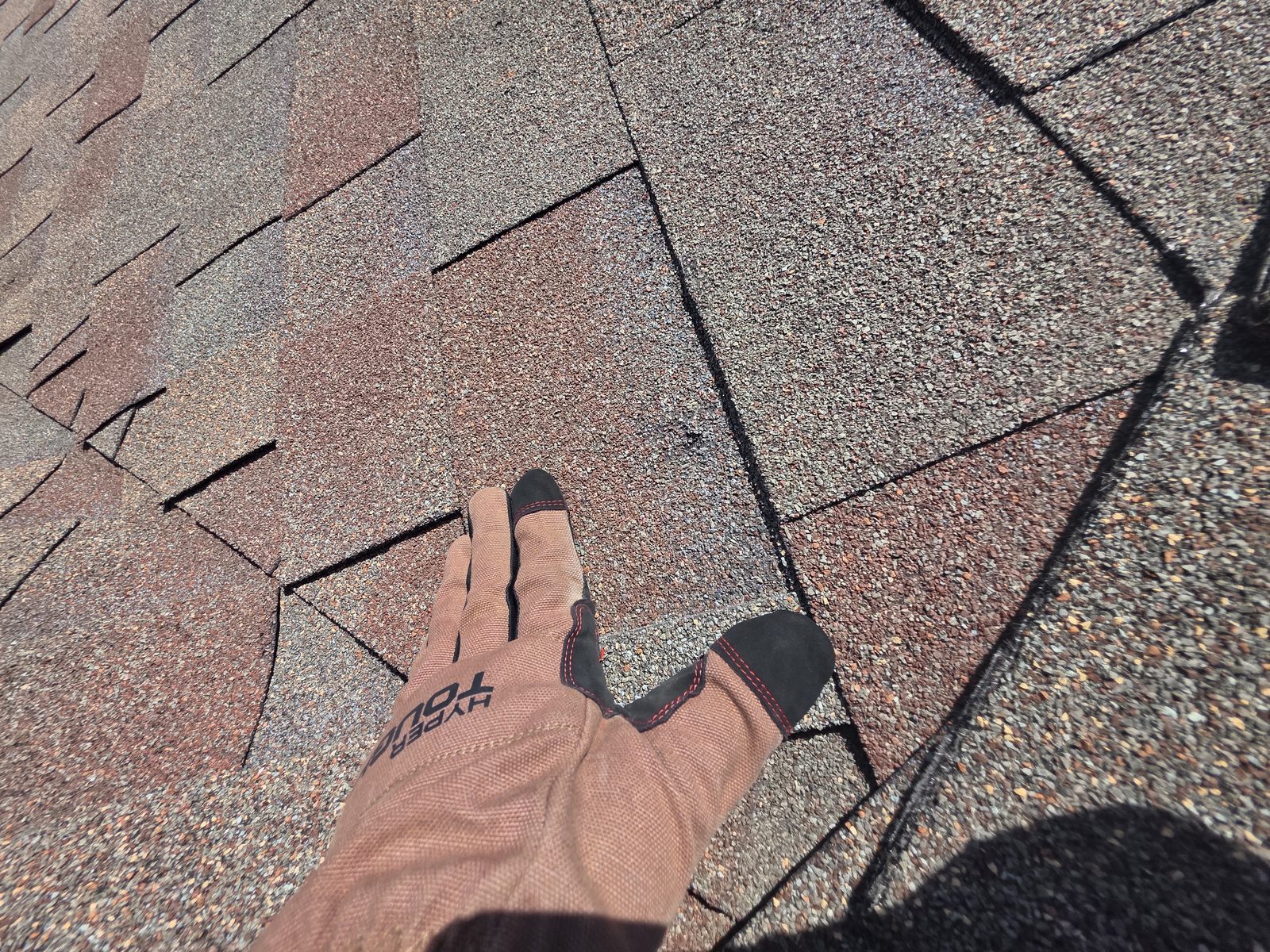
We evaluate the foundation and how the lot sheds water, the roof covering and the structure beneath it, the attic, insulation and ventilation, interior and exterior walls, ceilings and floors, doors, windows, stairways, fireplaces and chimneys, and porches, balconies, decks, docks, driveways, walkways and patios, plus fences and gates and detached garages, sheds and other outbuildings. See our decks, docks, fences and outbuildings FAQ. We walk most roofs, and use a drone for hard-to-reach areas and larger properties. A thermal camera helps us spot insulation gaps and hidden moisture. We note the foundation type, signs of movement and prior repairs, and we tell you when an evaluation by a structural engineer would be wise.
These are the conditions that come up most often in our reports for this part of the home:
For buyers who want numbers alongside our visual evaluation of the foundation, we offer a Zip Level floor elevation survey as an upgraded add-on to the home inspection ($175). See Zip Level Foundation Measurement for how it works, sample floor elevation maps and how to add it.
We walk the outside of the home and look at the brick, stone, siding and trim. In North Texas, small step cracks in brick and mortar are common as our clay soils swell and shrink. We note the cracks we see and tell you when wider cracks or other signs of movement make a structural engineer’s opinion worthwhile.
We also check for weep holes, the small openings along the bottom of brick veneer and above windows and doors that let trapped water drain out, and we note when they are missing, mortared over or buried by soil or mulch. Gaps where siding, trim, windows and doors meet are another frequent finding, since caulk shrinks and cracks in the Texas sun. A qualified masonry, siding or painting contractor can take care of these items.
Inside, we operate the accessible doors and note ones that stick, rub, will not latch or have a misaligned deadbolt. The door from an attached garage into the house should close and latch on its own to help keep fire and car exhaust out of the living space, so we report a missing or weak self-closer.
We walk the floors for humps, dips and loose or lifted flooring, and look at ceilings and walls for cracks and water stains. Small drywall cracks are often normal settlement; cracks that are wide, keep returning, or line up with sticking doors and brick cracks can point to foundation movement worth an engineer’s look.
We check the windows we can reach for how they open, close and latch, and look for damaged frames, missing or damaged screens, and cracked or broken glazing. We also look at the sills and trim around them for moisture staining and sealant that needs attention.
When an insulated (double-pane) window has a failed seal, you may see fogging, condensation or a hazy film between the panes. We report failed seals that are visible at the time of the inspection. Seal failures can come and go, though, depending on the temperature, humidity and how clean the glass is, so not every failed seal can be spotted on inspection day.
A fogged window is mainly a visual and energy-efficiency issue. If we note one, or you notice one later, we recommend having a window professional look at repair or replacement options.
We also note general safety items, such as glass near doors, tubs and stairs that may not appear to be safety glass, and bedroom windows that may not open easily enough for an emergency exit.
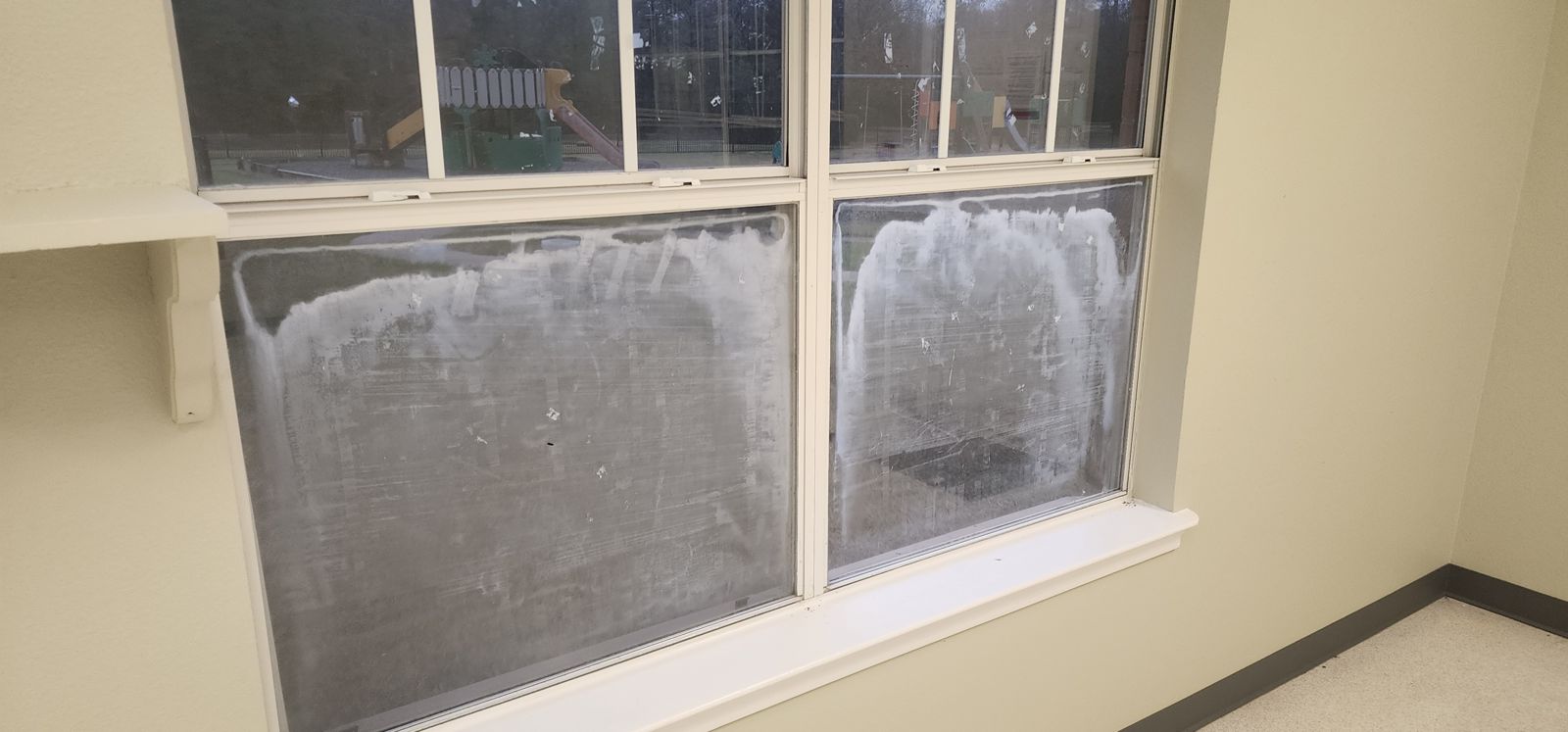
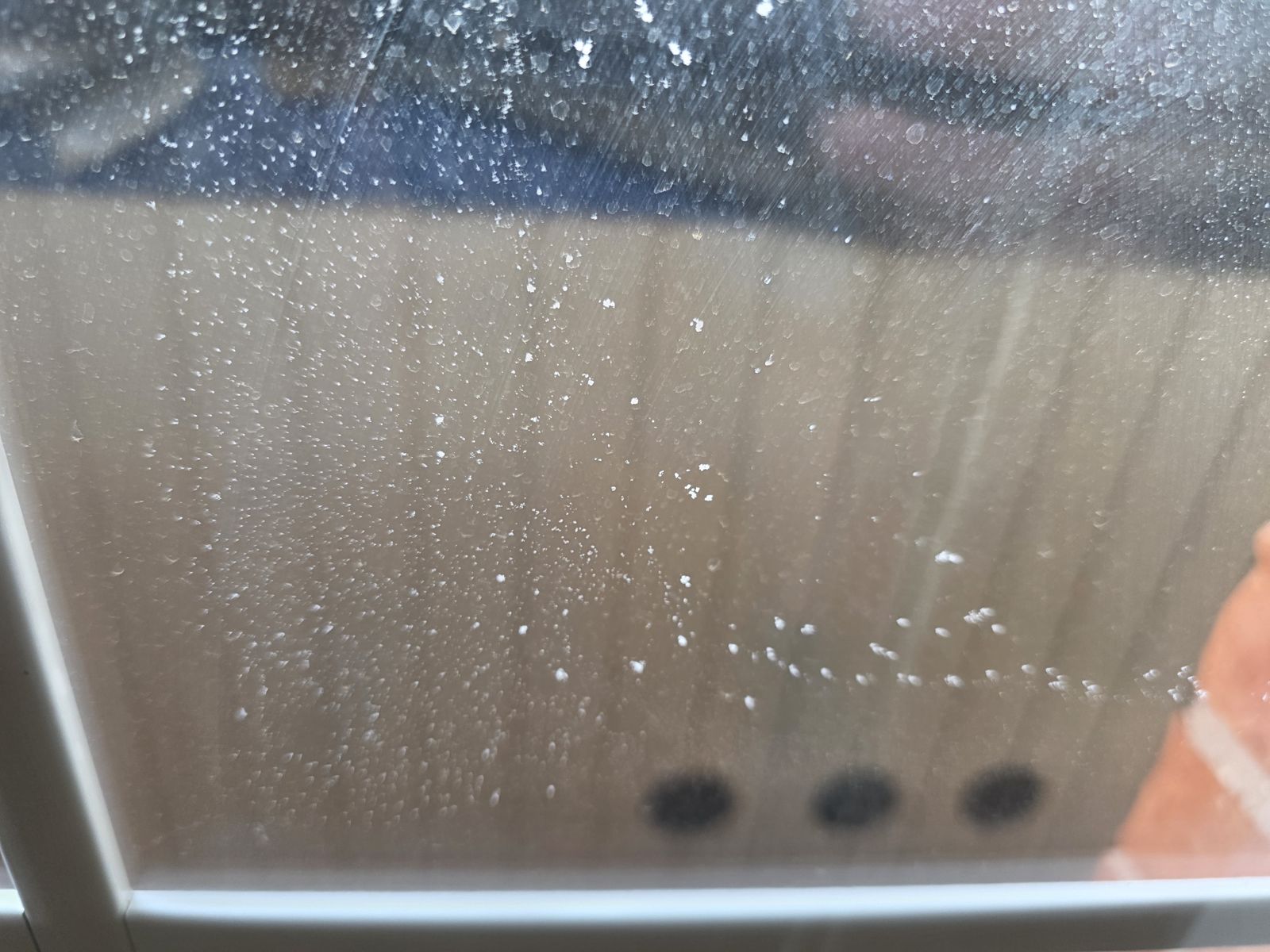
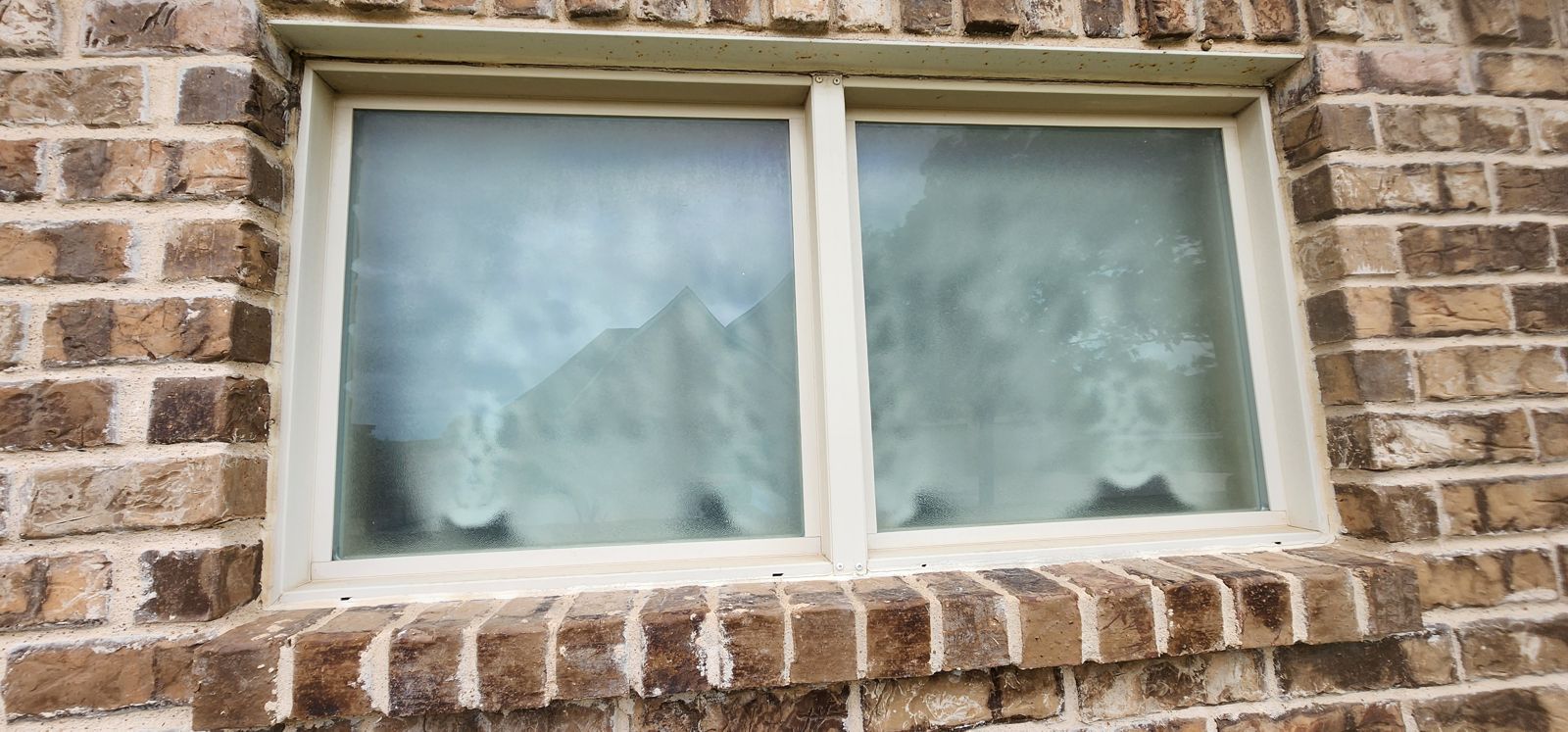
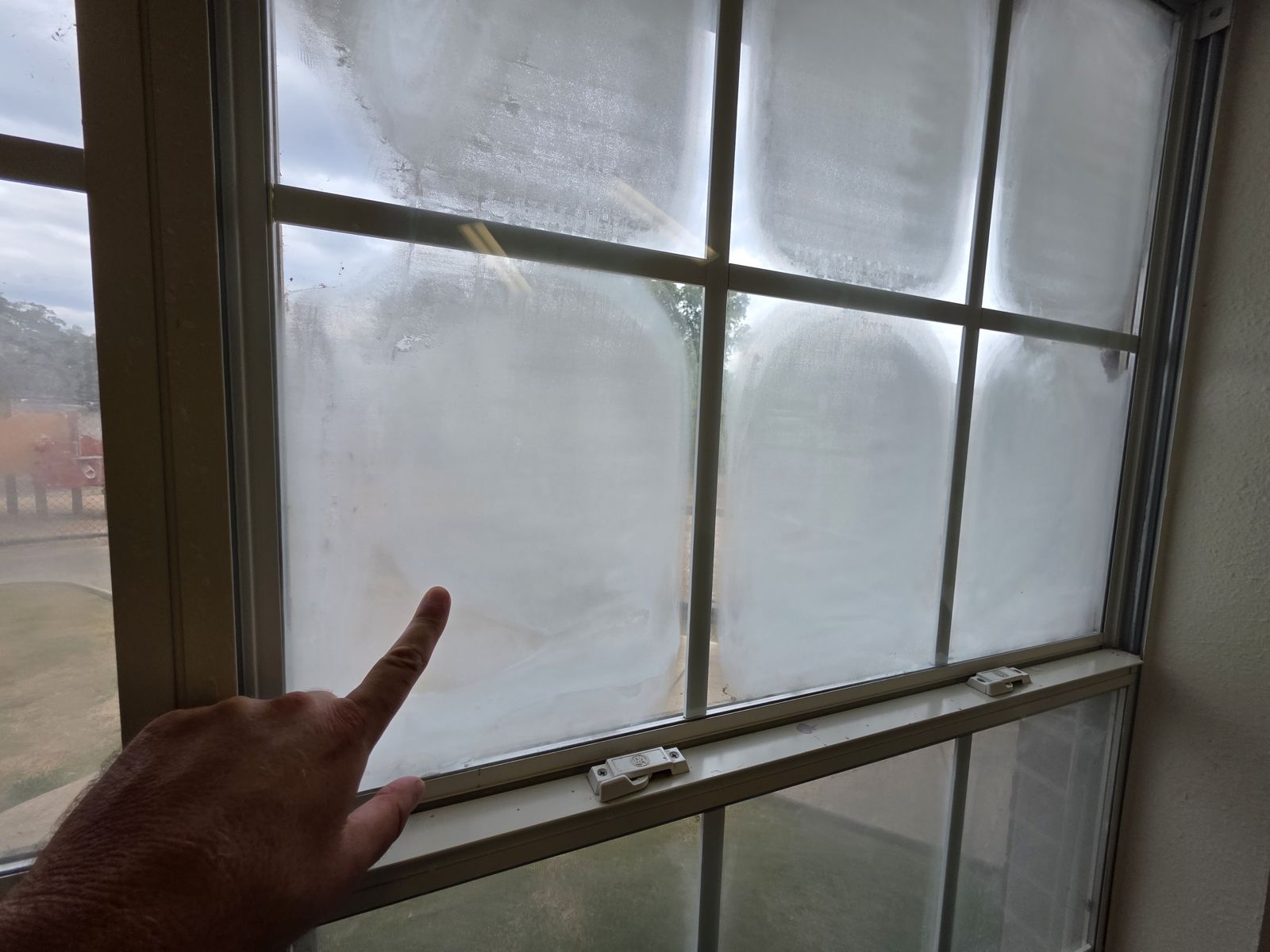
A visual inspection can’t measure the gas inside the glass. A seal can be losing its argon fill without showing any signs yet, and no inspector can confirm that just by looking. A window contractor can test for it with specialized tools, such as a gas analyzer that reads the argon level through the glass, along with dew point testing. They can also check the manufacturer’s date stamps on the glass to see whether the windows are still under warranty. If any seals have failed, the sealed glass units (IGUs) can usually be replaced on their own, without replacing the whole window.
In North Texas, water and soil movement drive many of the most expensive repairs a homeowner faces. Spotting drainage problems, foundation movement and roof wear early gives you time to get an engineer’s or roofer’s opinion during your option period, and gives you a maintenance plan once you own the home.
← Back to Residential Home Inspection
Book online in minutes or request a quote. Prefer to talk it through? Call (817) 454-1066 or email info@dragonflyinspections.com.