
Safe, properly protected wiring, from the meter to the last receptacle.
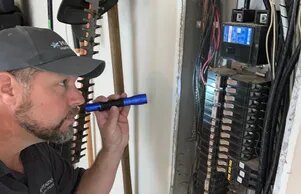
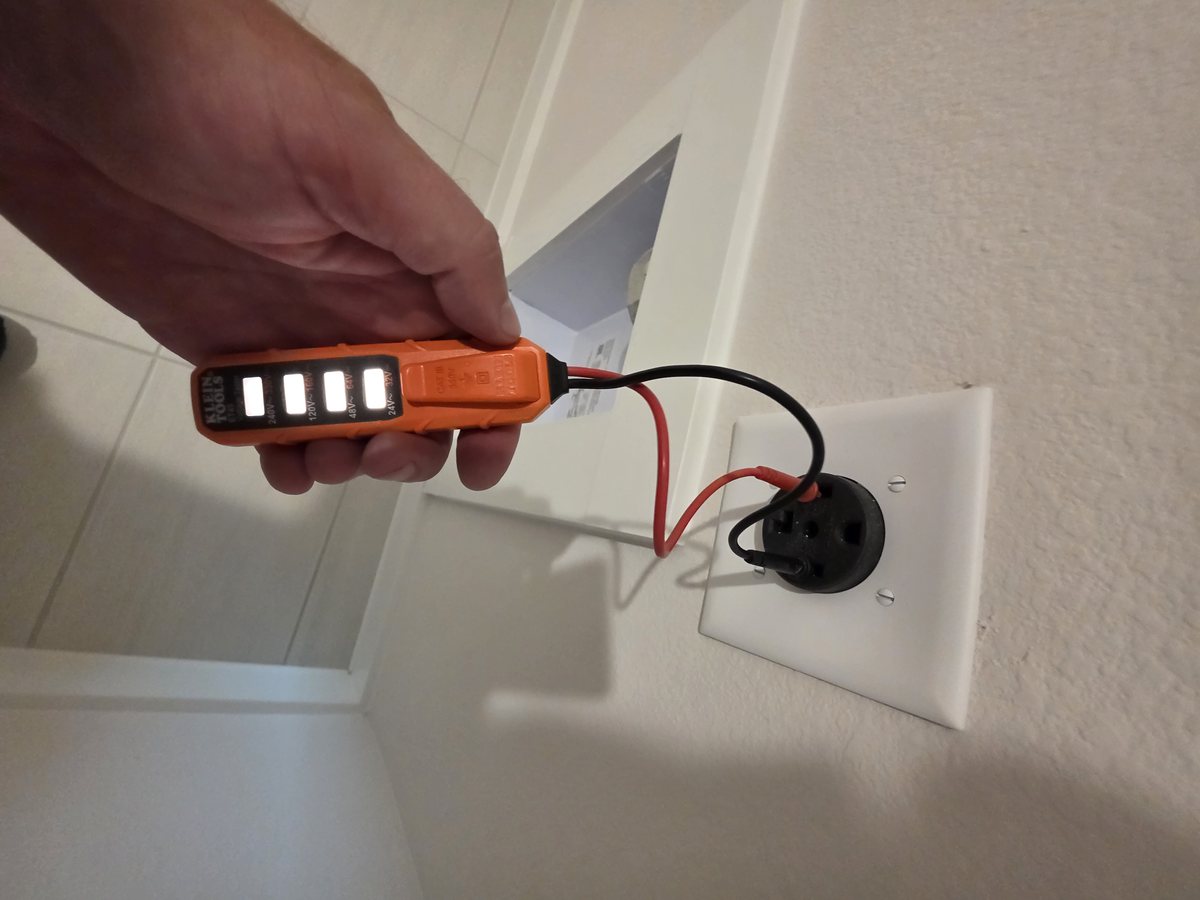
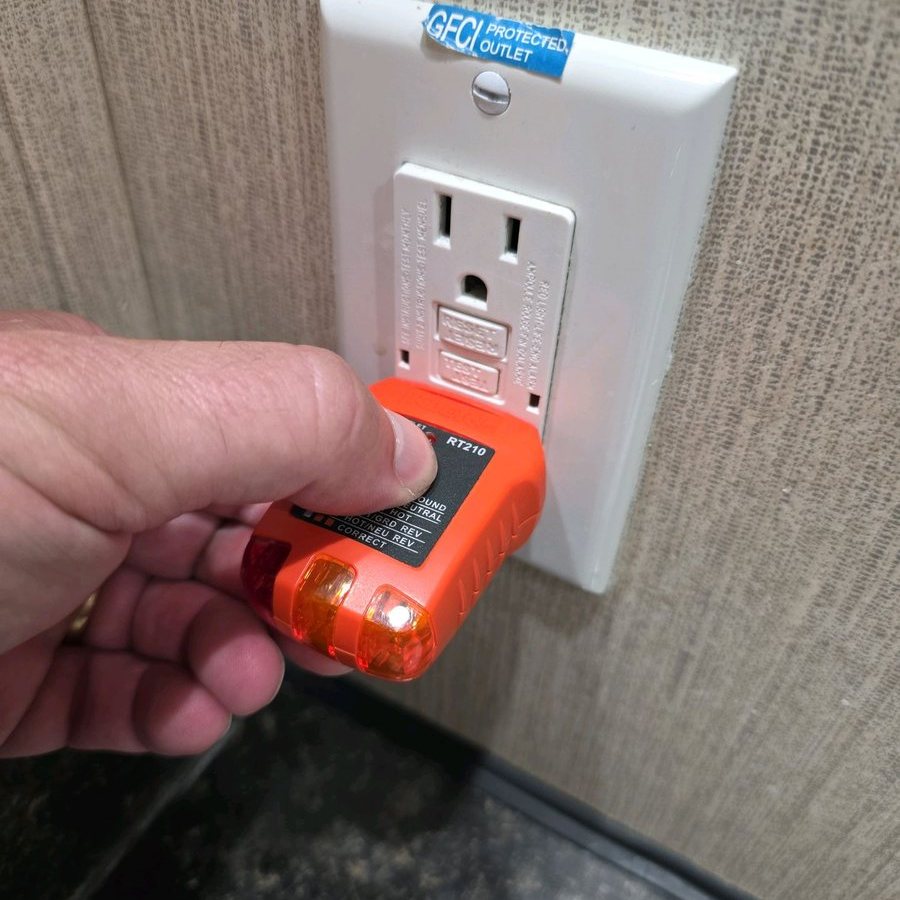
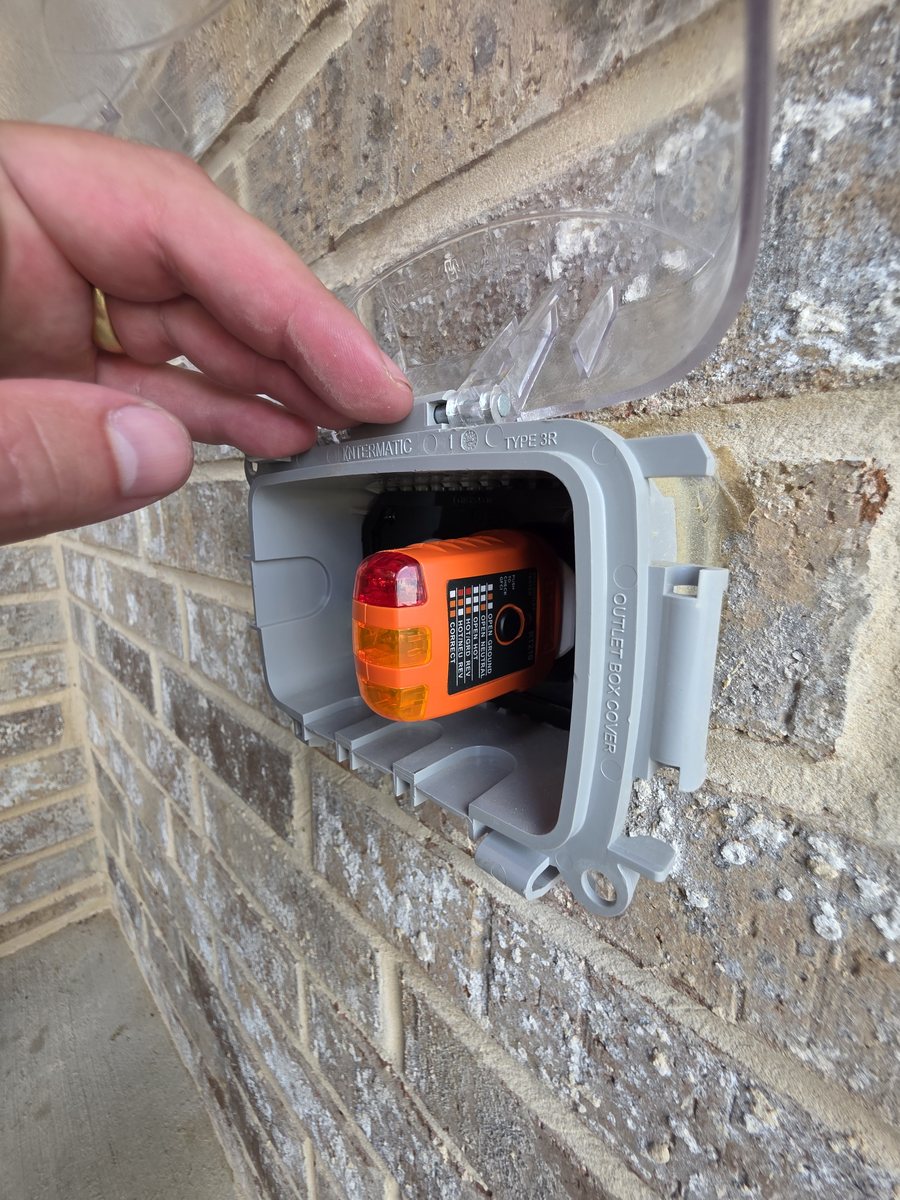
We evaluate the service entrance and main panel: service type and capacity, panel brand, breakers, grounding and bonding, and the condition of conductors inside the panel when the cover can be removed safely. Throughout the home we test every accessible outlet, along with switches and fixtures, check GFCI and AFCI protection, and confirm smoke and carbon monoxide alarms are present. Accessible 240-volt receptacles, such as those for a dryer or range, are checked with a voltage tester to confirm they are energized.
These are the conditions that come up most often in our reports for this part of the home:
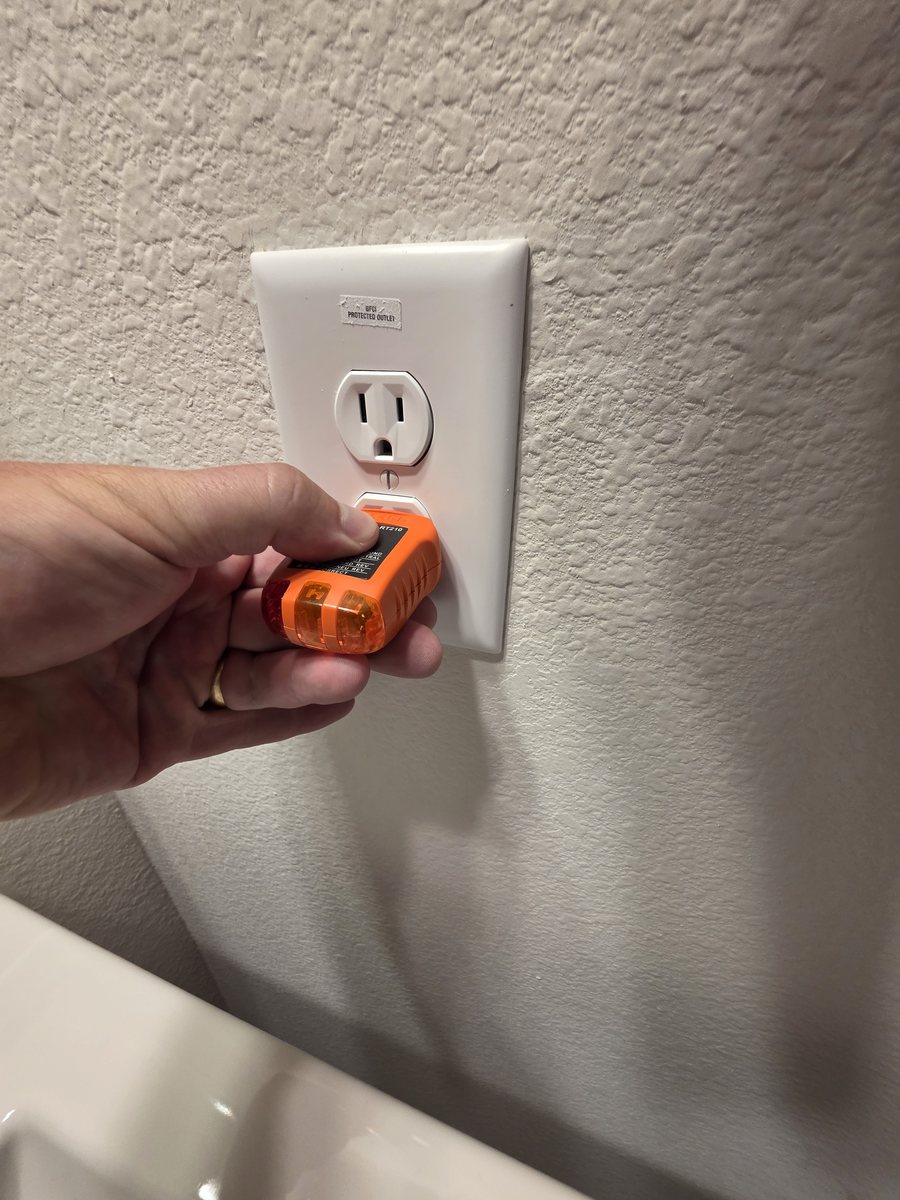
Electrical defects are among the most important safety findings in any report. Many older homes were legal when built but lack protections that today’s standards expect. We explain which items are hazards and which are upgrades, so you can plan.
← Back to Residential Home Inspection
Book online in minutes or request a quote. Prefer to talk it through? Call (817) 454-1066 or email info@dragonflyinspections.com.